 1
1
The Living Factory
Start with the living water factory so every later nursing concept has a physical place to land.
The first two foundation videos are free. This one is part of the full library.
$59/mo · cancel anytime
Browse by body system, search by topic, or follow a guided pathway. Every tutorial uses perfusion-first reasoning — from cell to clinical cue.
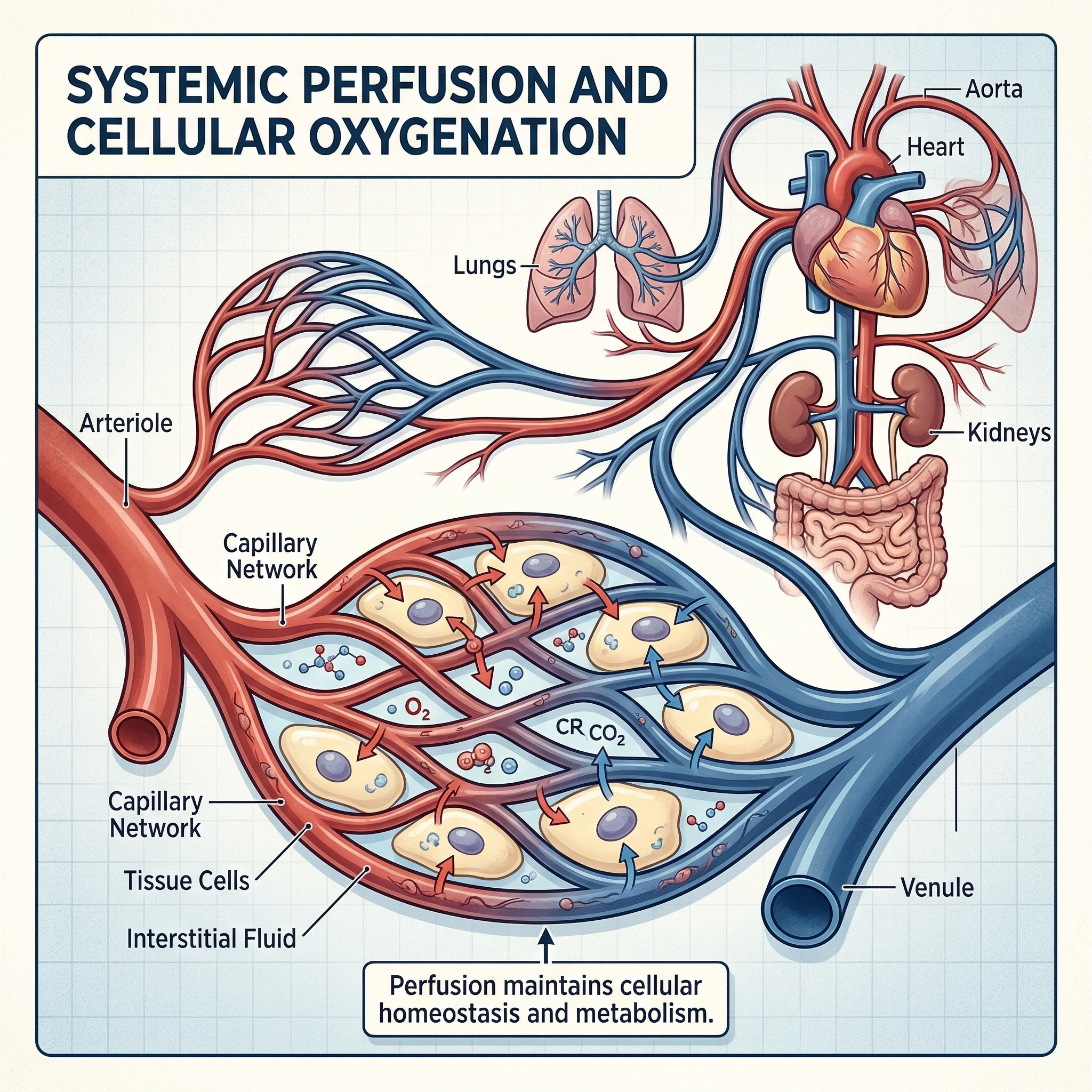
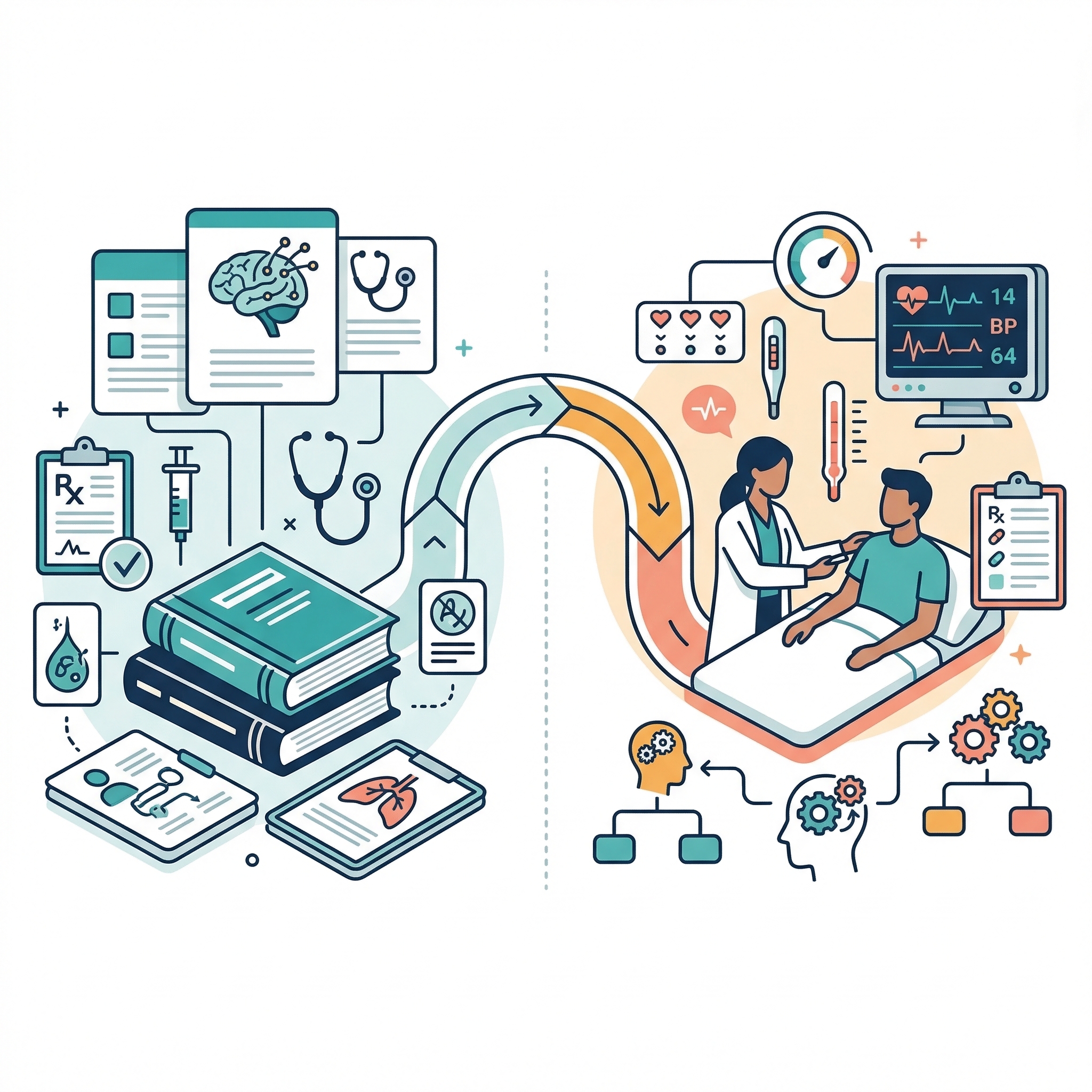
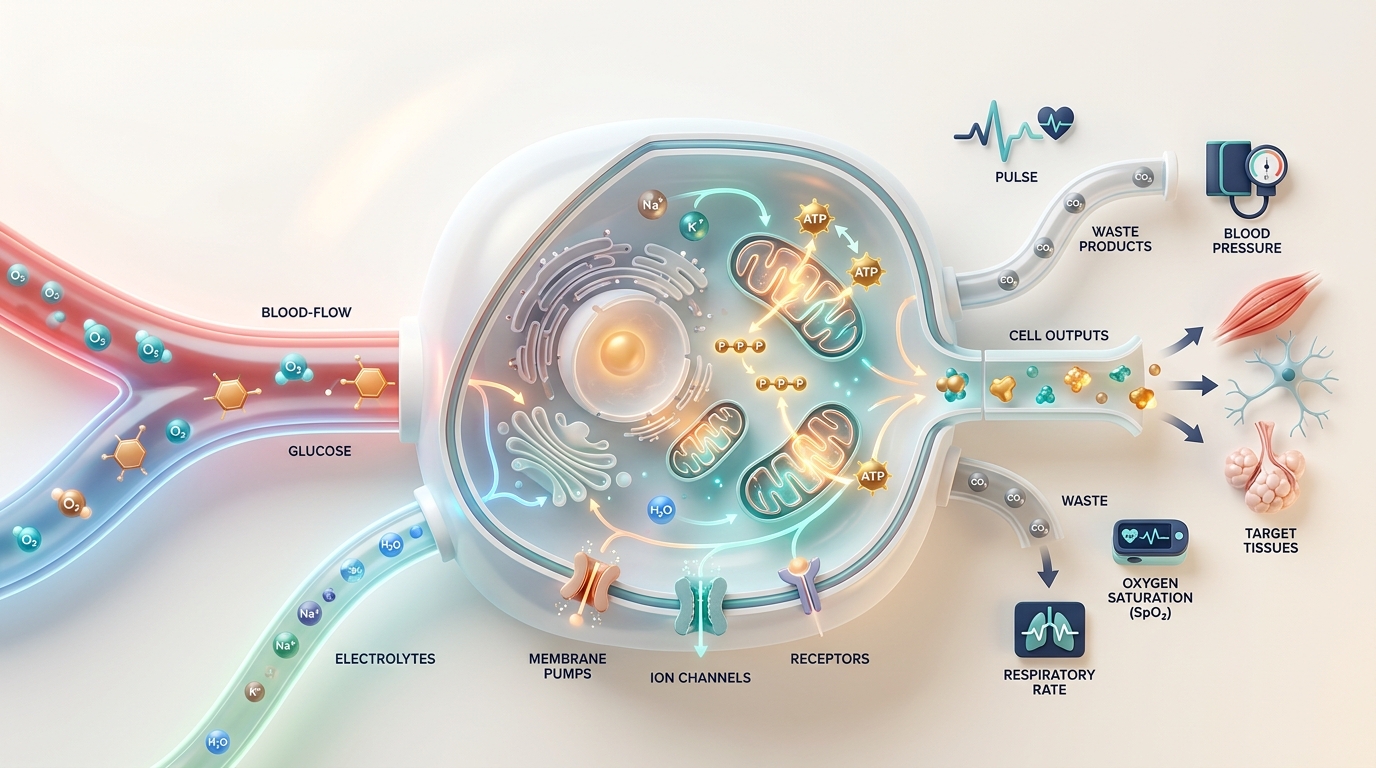
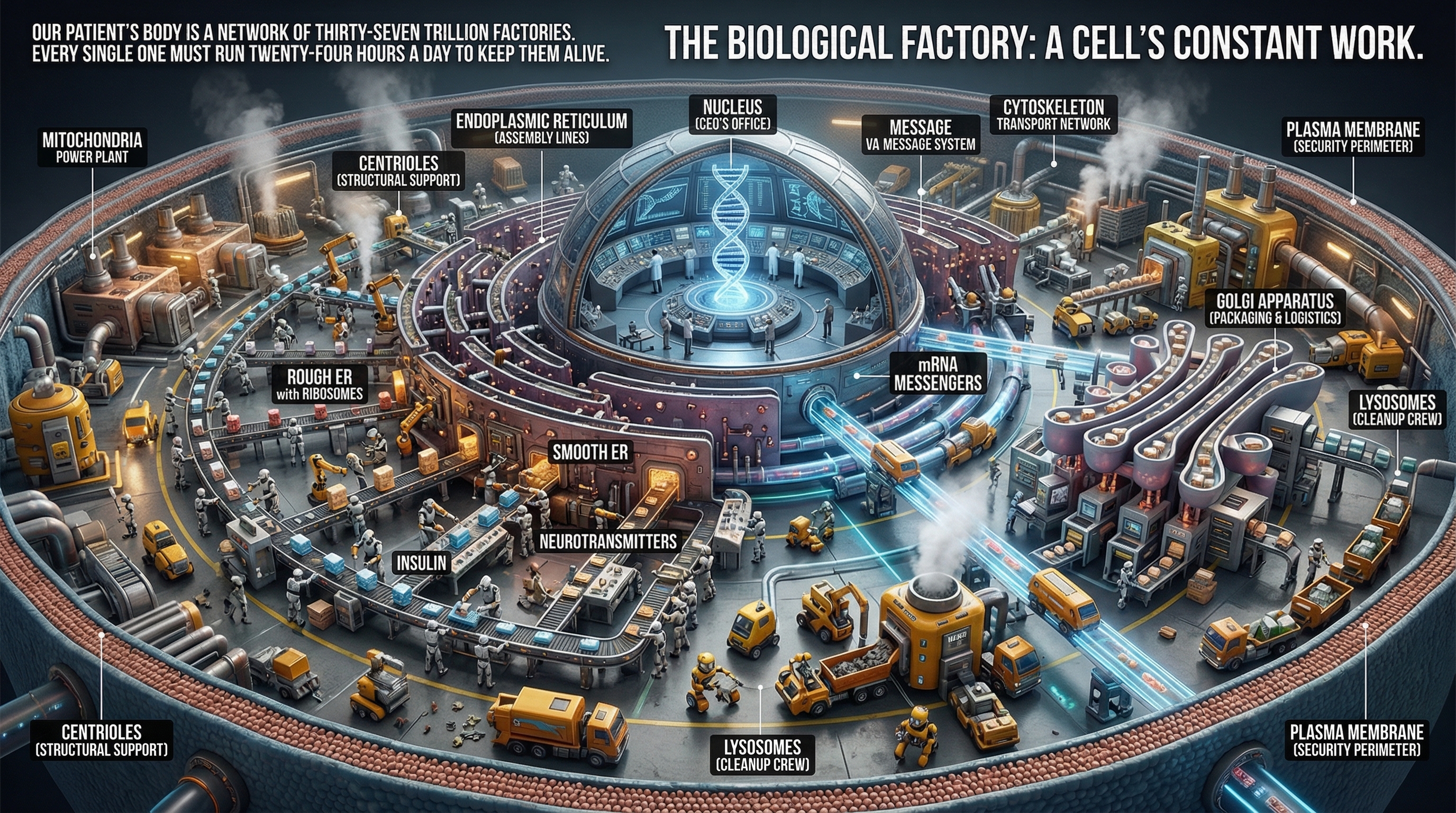
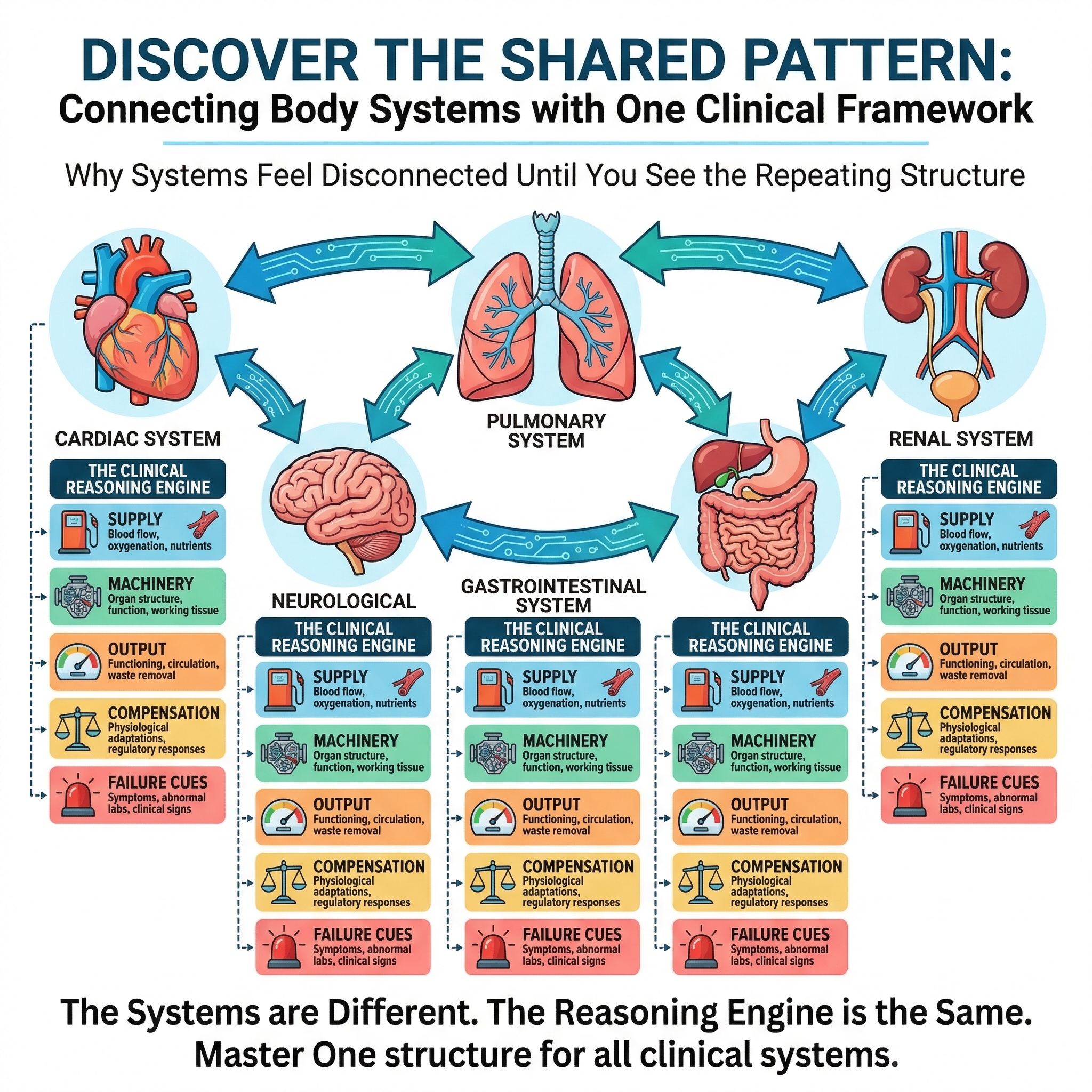
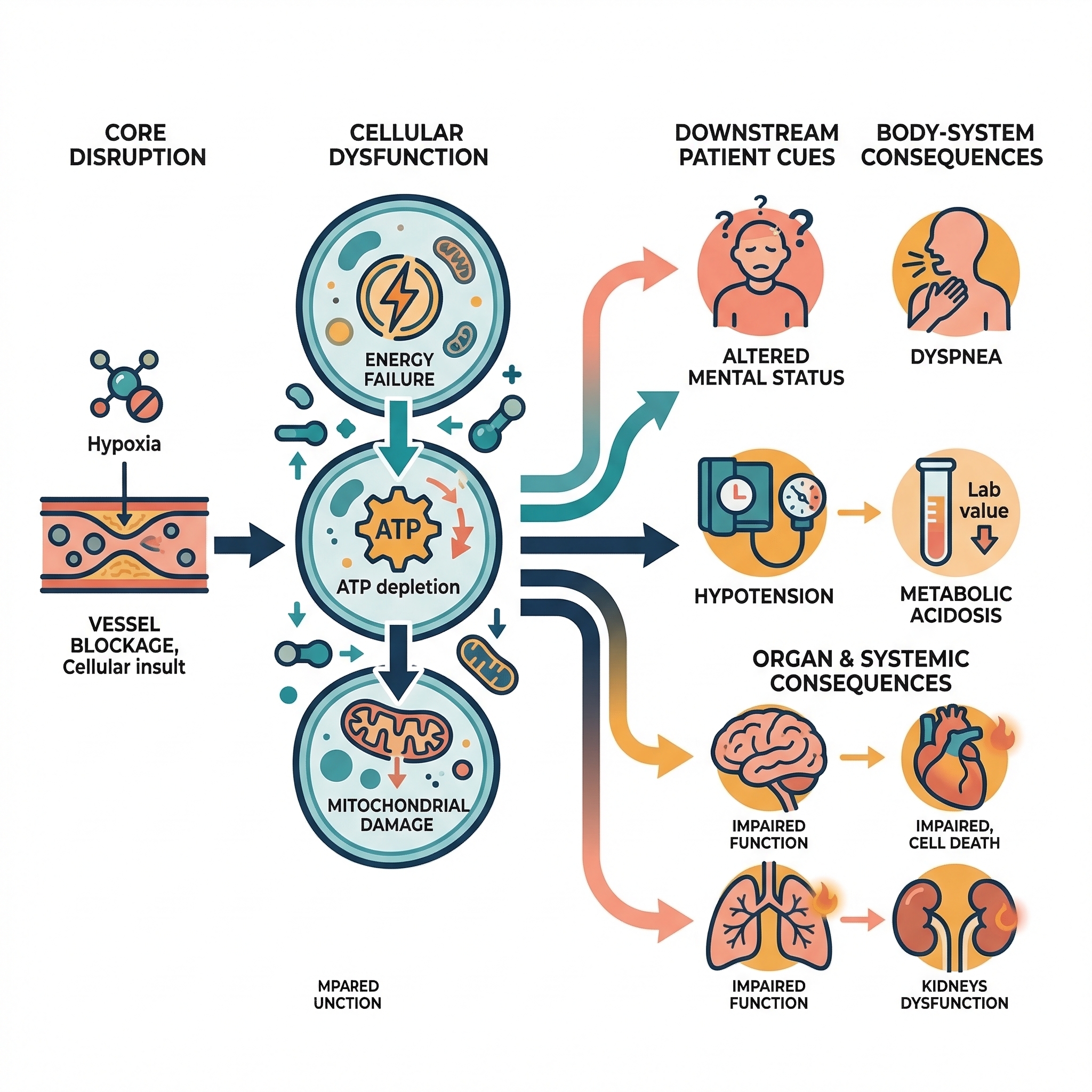
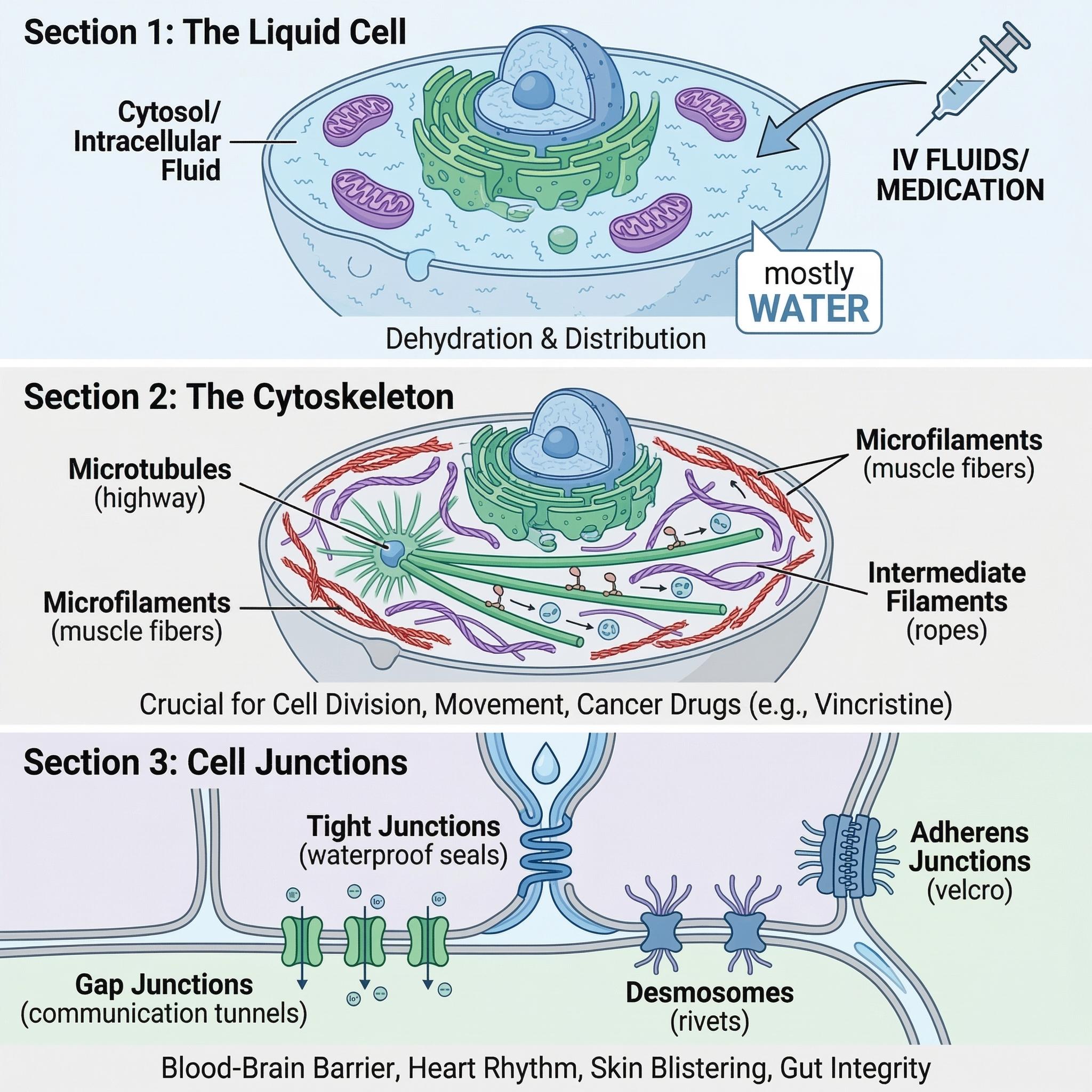
Your body is made of 37 trillion factories. Each needs oxygen, water, and fuel. Start here to understand everything.
Try Free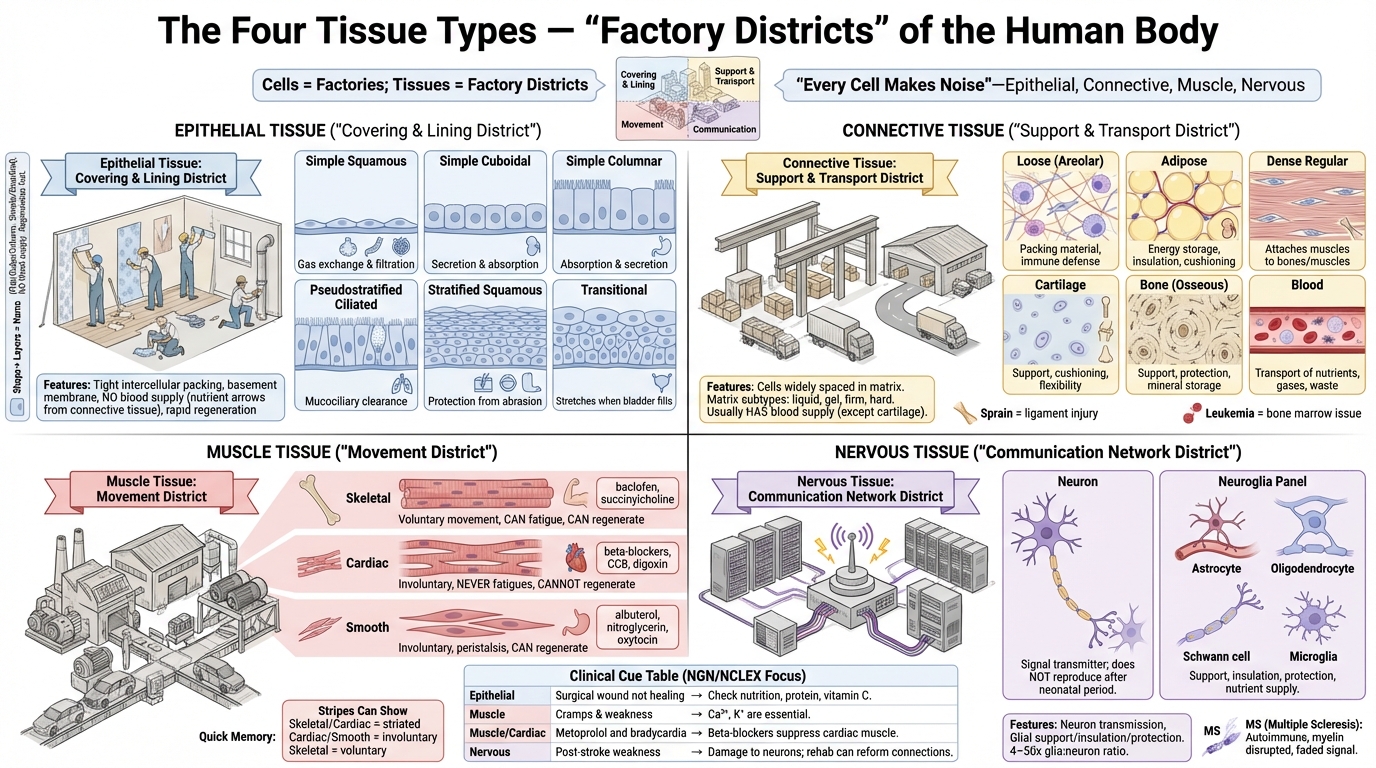
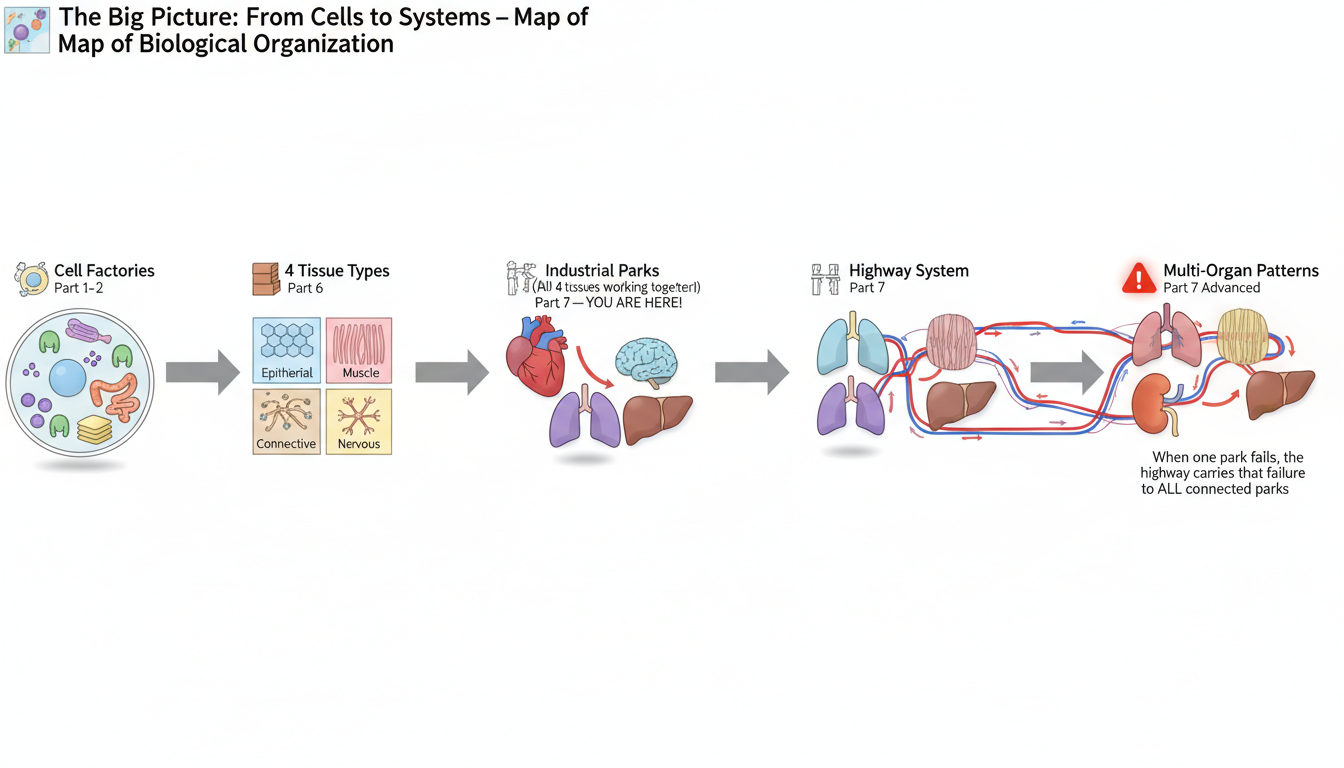
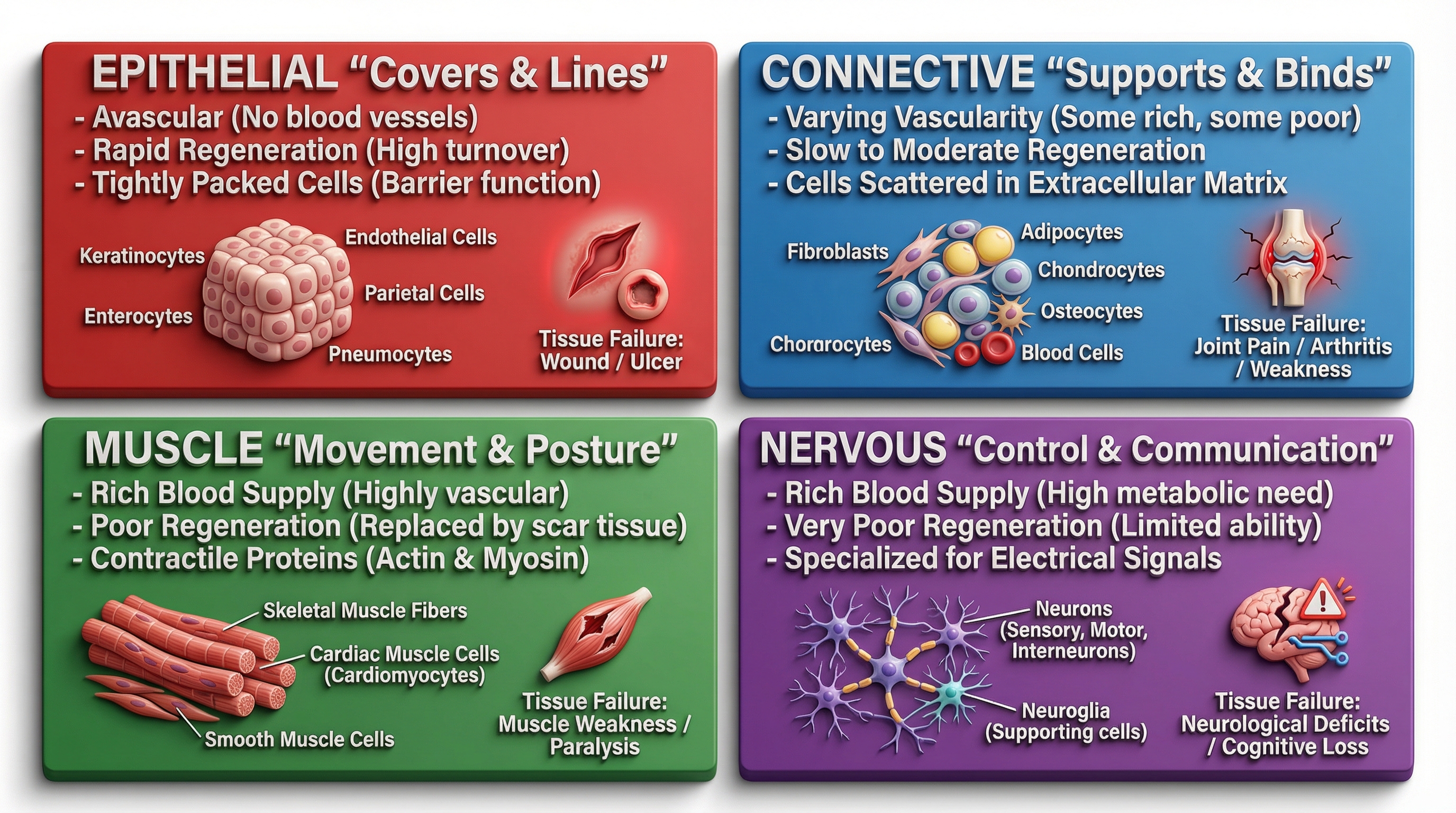
Four tissue types, specialized factories, and how tissue roles predict the clinical cues you will see.
Try Free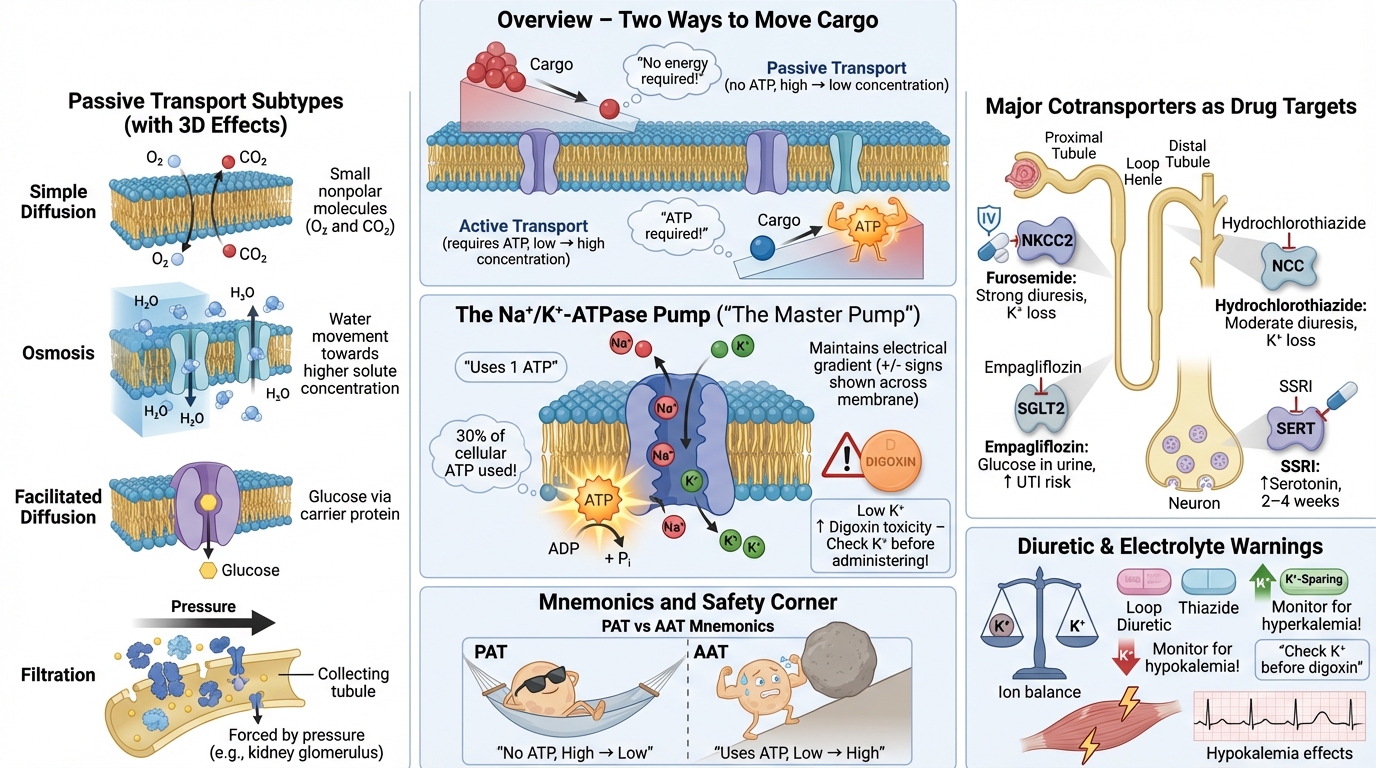
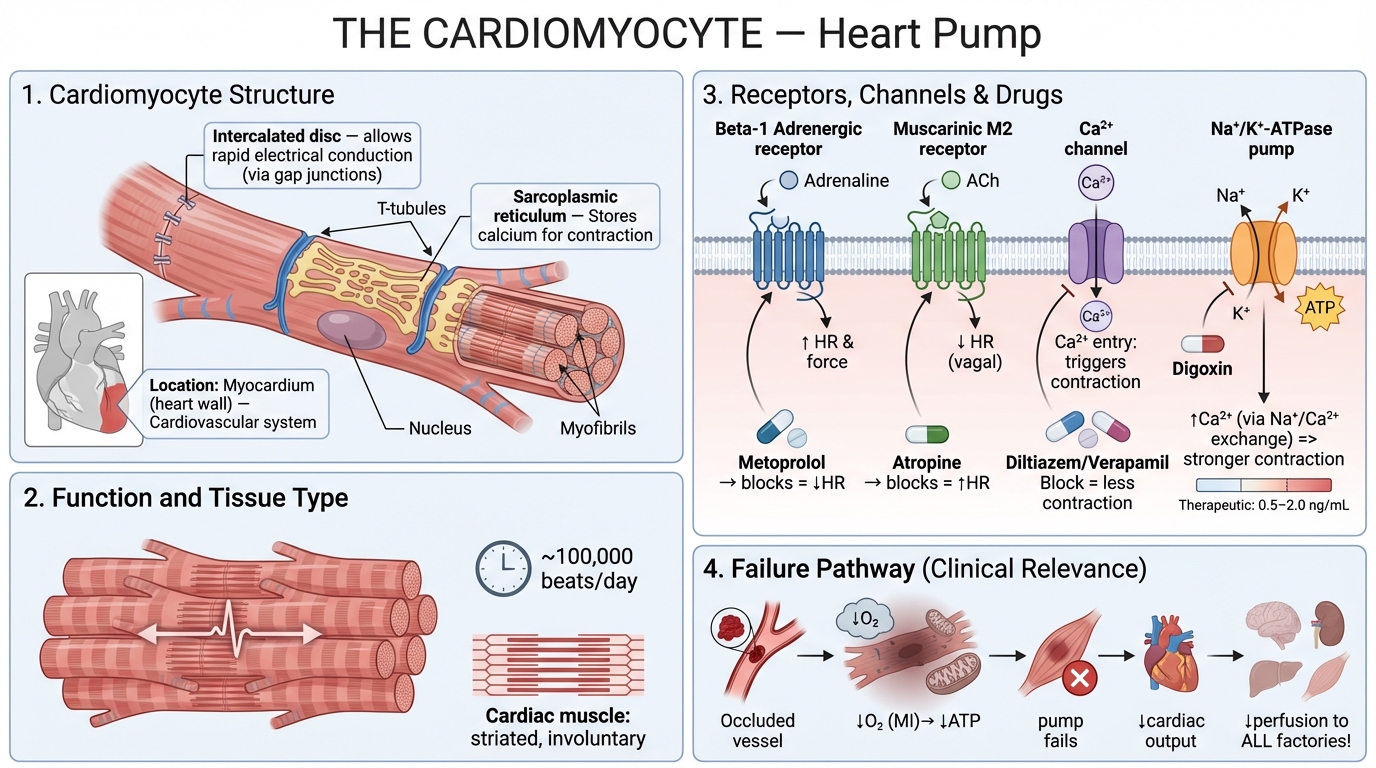
Transport, signaling, and drug-receptor logic. This is where pharmacology starts to make sense.
Try FreeStart with Fundamentals first. Then use Phase 1 to build cell-biology, tissue, receptor, compensation, pharmacology, and clinical-judgment thinking.
Fundamentals teaches the first pattern. Phase 1 helps you apply that pattern to cells, tissues, receptors, compensation, pharmacology basics, and clinical judgment.
These four videos build on each other. Watch them in order before moving into Phase 1.
1
Start with the living water factory so every later nursing concept has a physical place to land.
 2
2
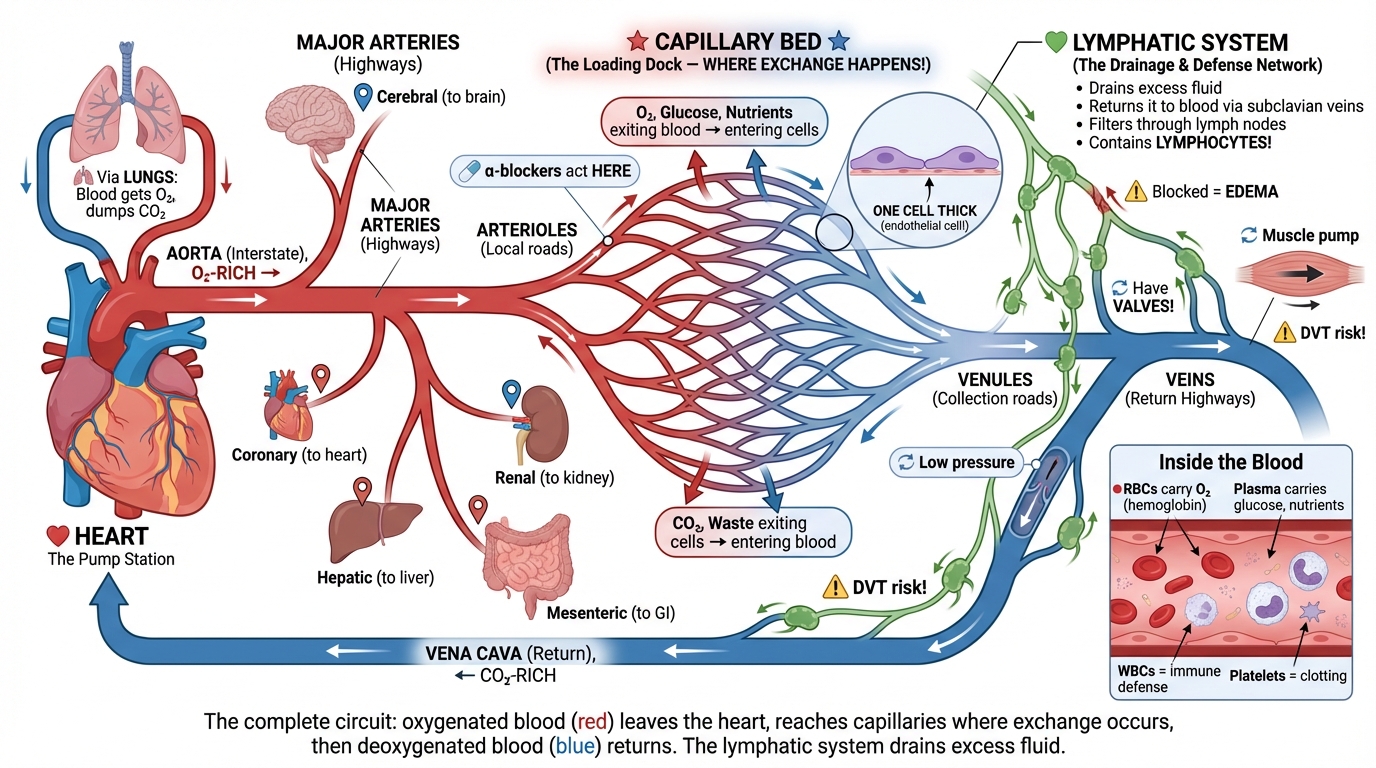
Follow how oxygen, water, glucose, electrolytes, and nutrients reach the cells before failure appears at the bedside.
 3
3
Lock in perfusion as the first clinical question: can the cells receive what they need to stay alive?
 4
4
Finish by connecting ABCs, vital signs, and observable cues to the same perfusion-first pathway.
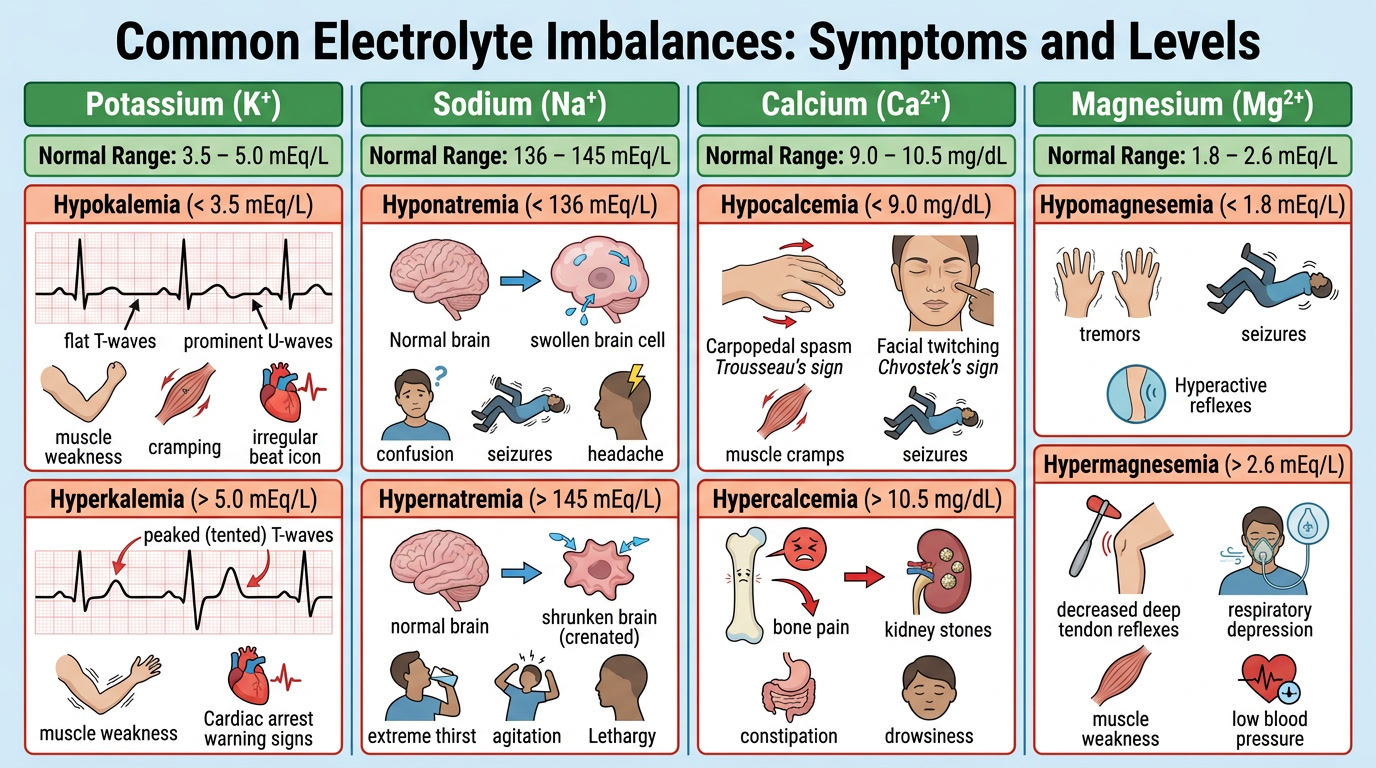
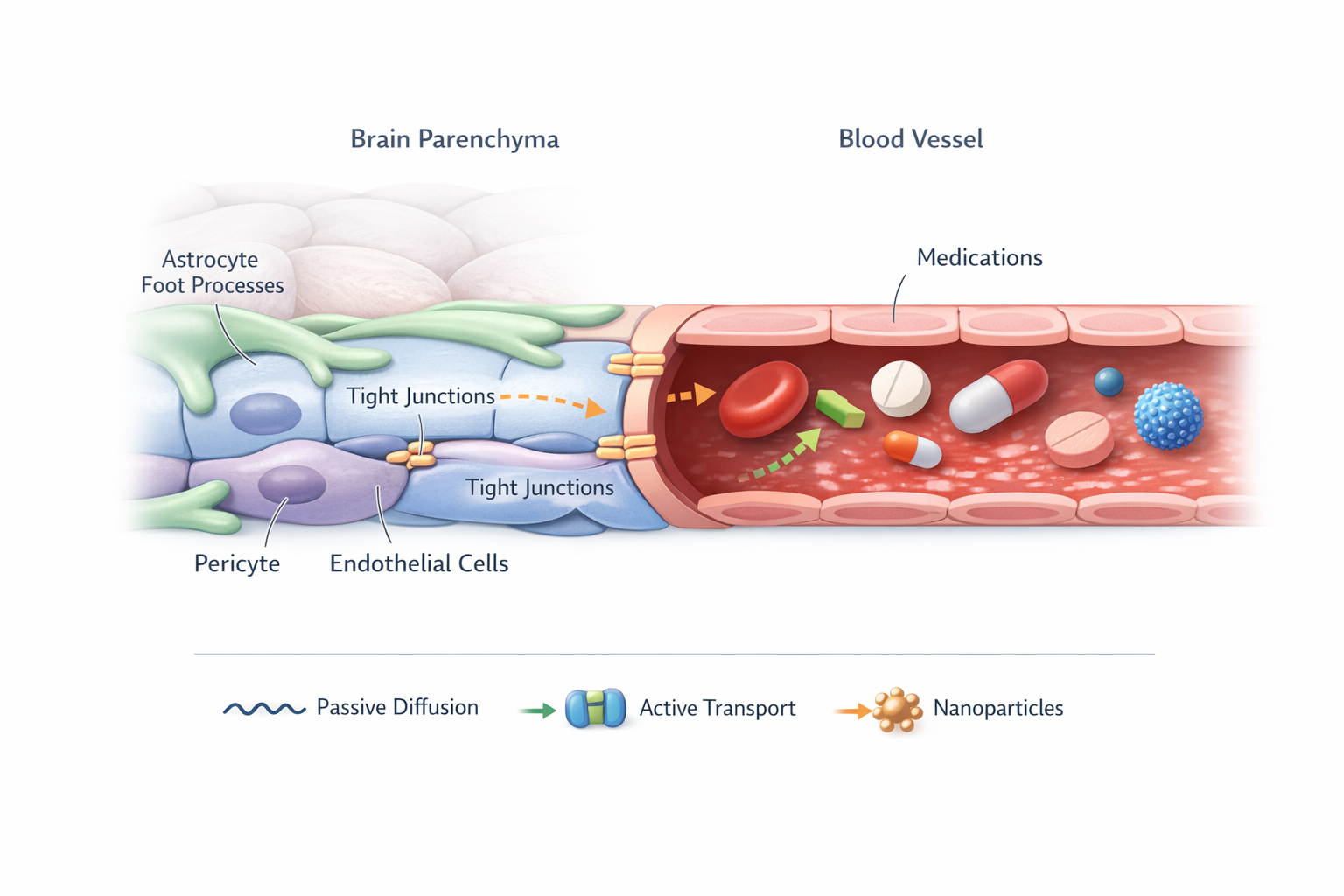
Build the first cell-level pathway: what every cell needs, how perfusion delivers it, and how fluid or electrolyte imbalance becomes a bedside cue. Use this section when you need to understand why fluid changes affect the brain, circulation, medications, and nursing safety decisions.
Reinforces both videos through perfusion-first reading, fluid and electrolyte safety, IV-fluid reasoning, cytoskeleton and junction concepts, remediation, and NGN clinical judgment.
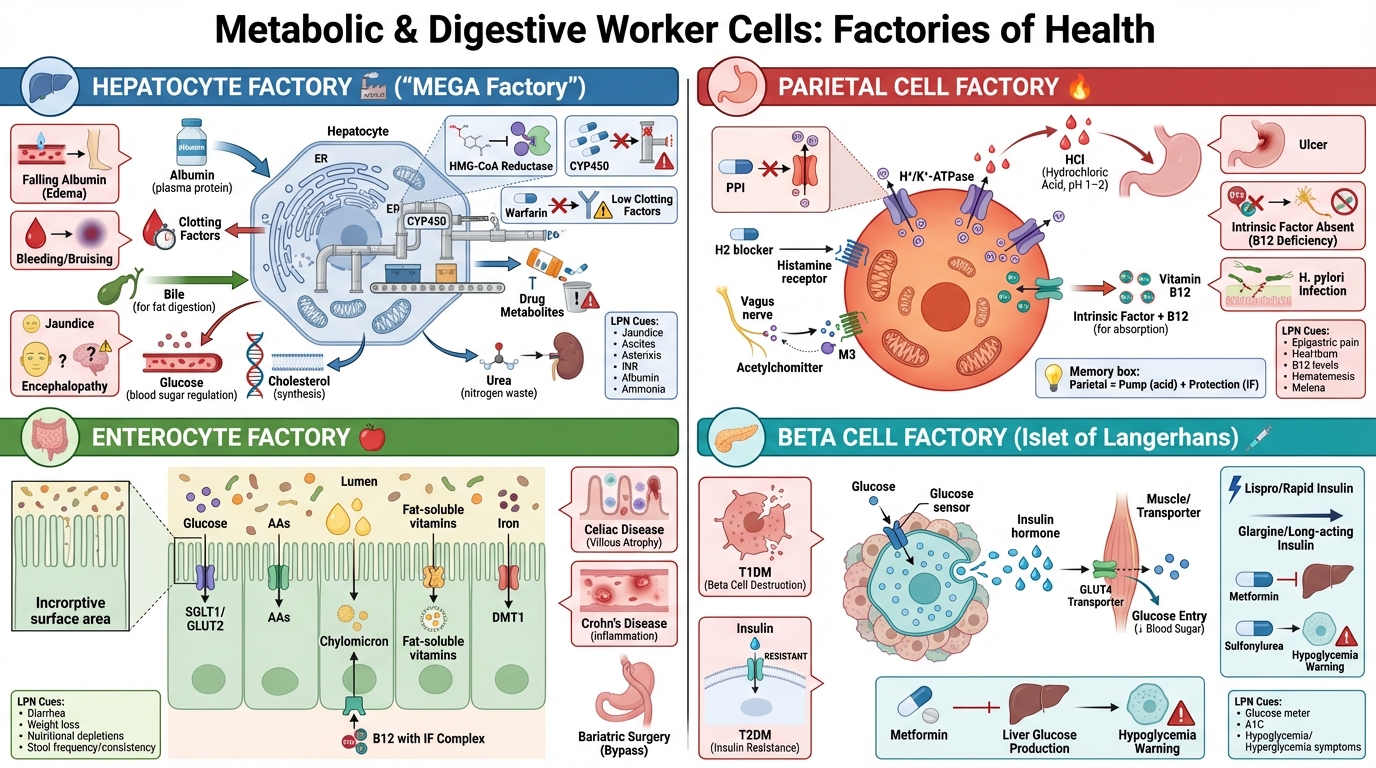
Specialized factories and how tissue roles predict clinical cues.
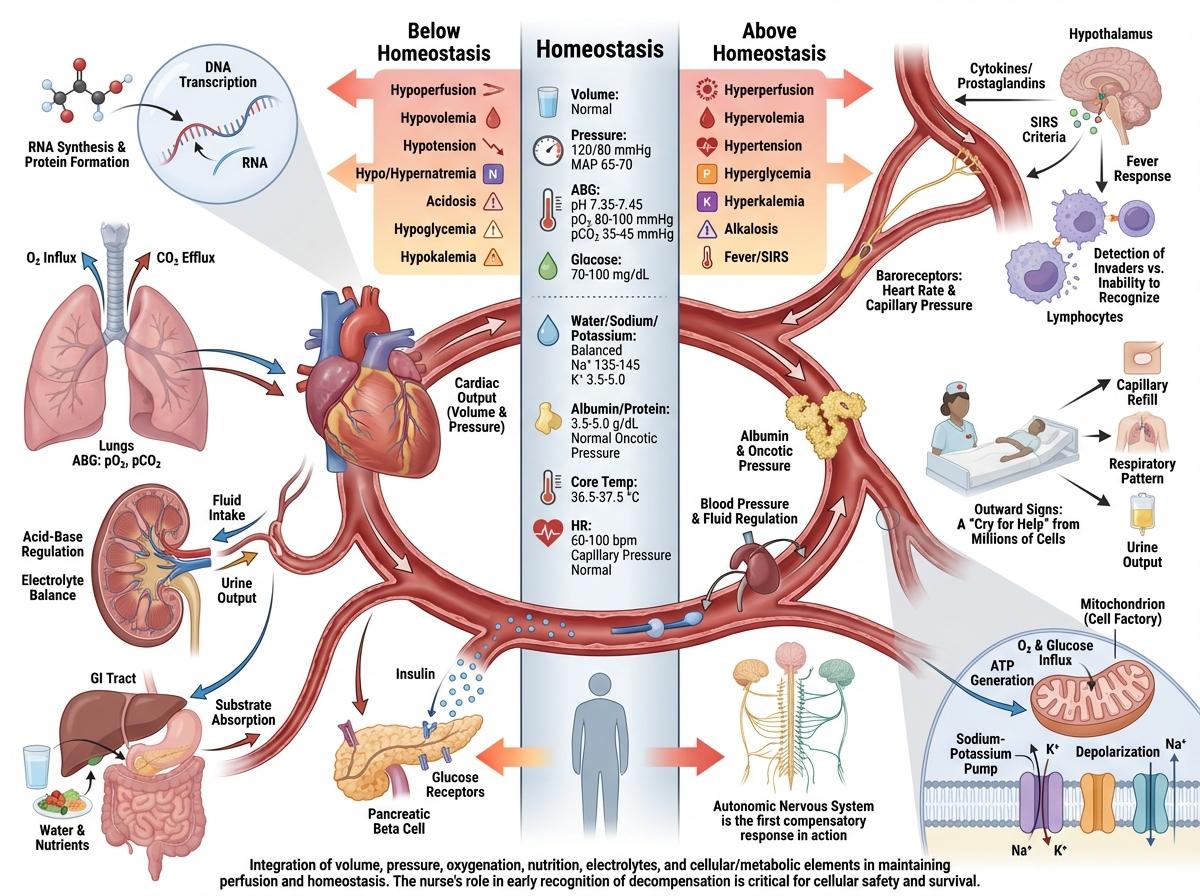
Rapid review of perfusion inputs, outputs, and failure cues.
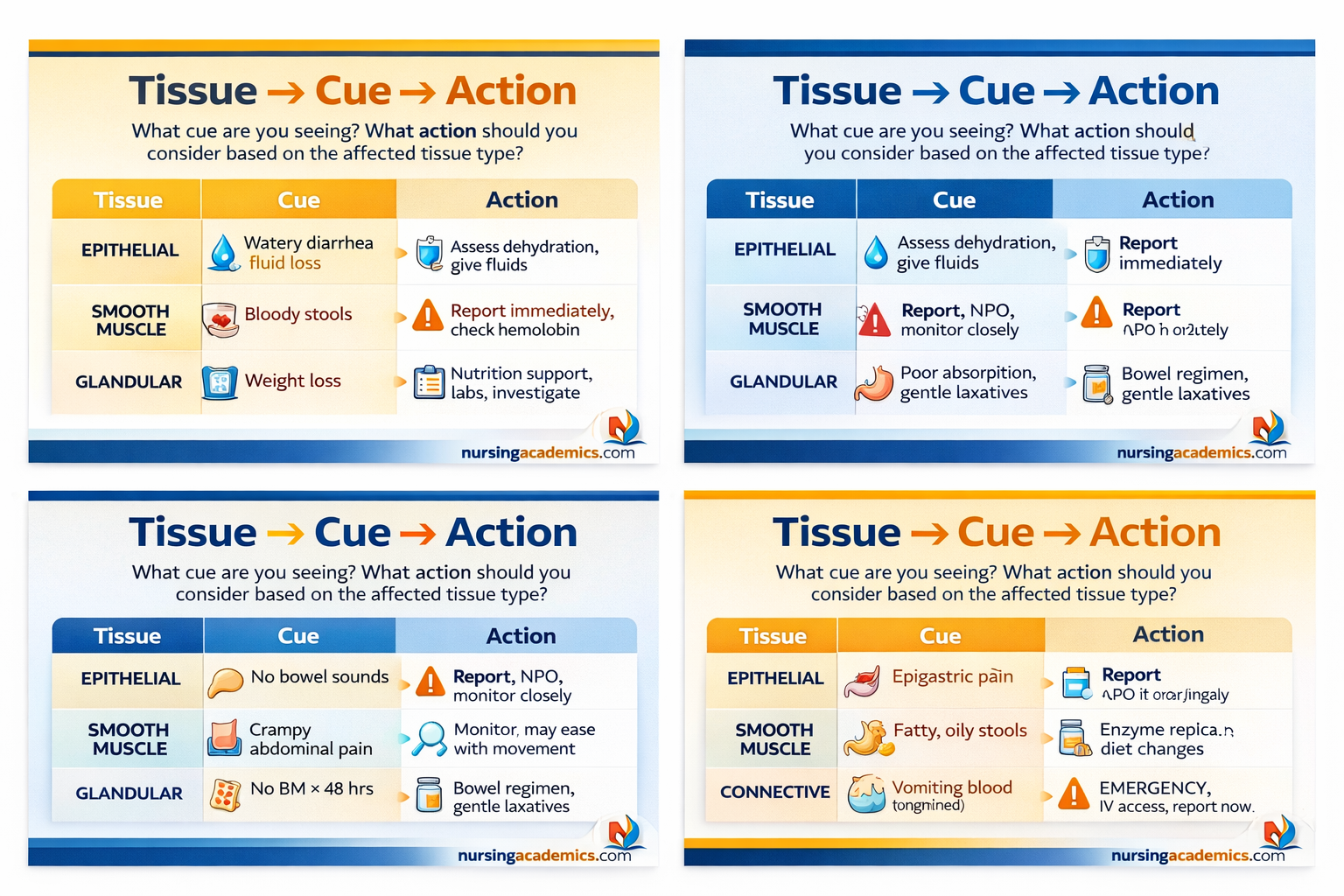
Connect clinical cues to underlying cell factory failures.
Core Cell Biology master video placed right before the connective tissue series.
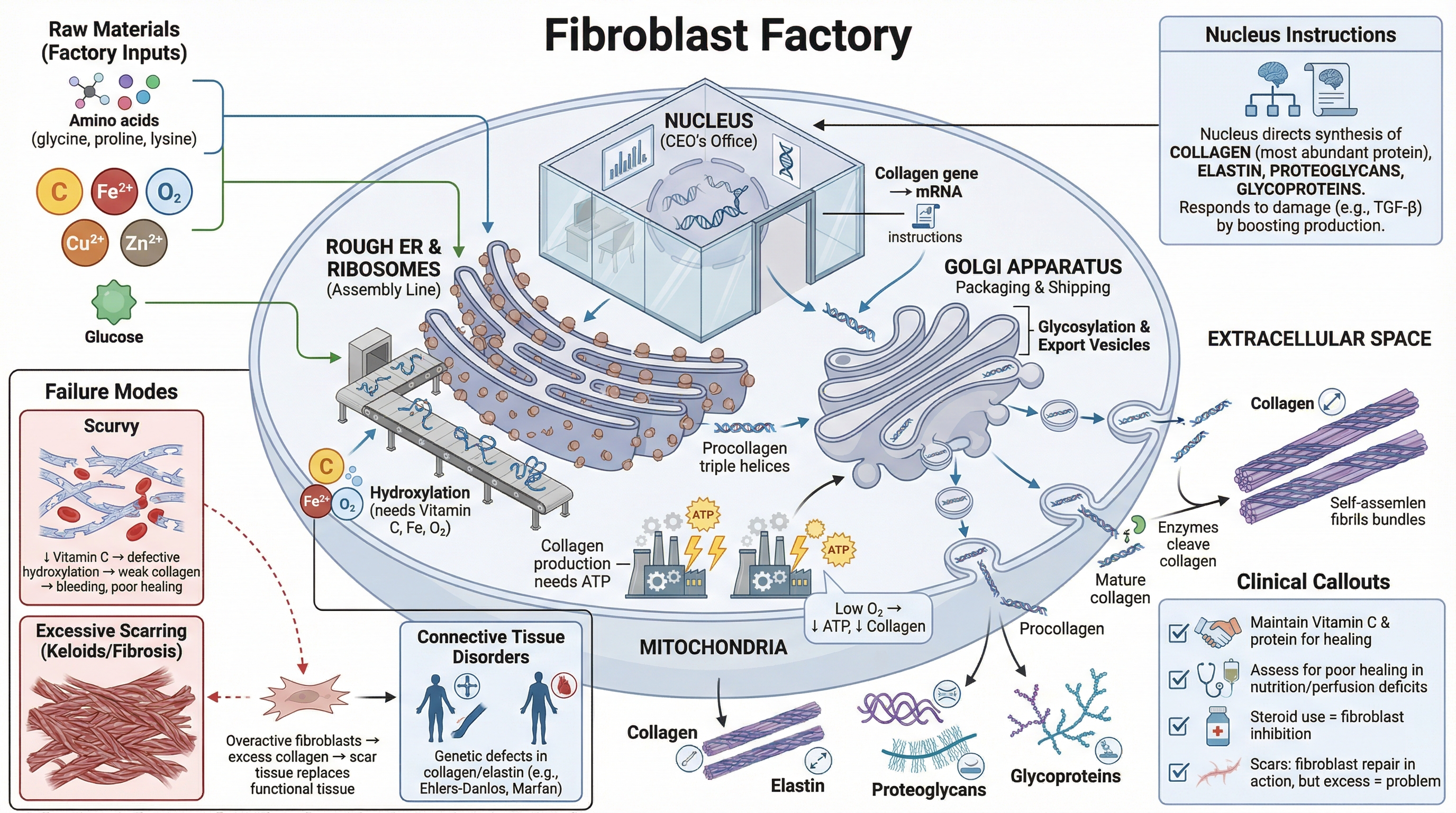
Fibroblast, chondrocyte, osteoblast, edema, and third-spacing mapped to clinical cues.
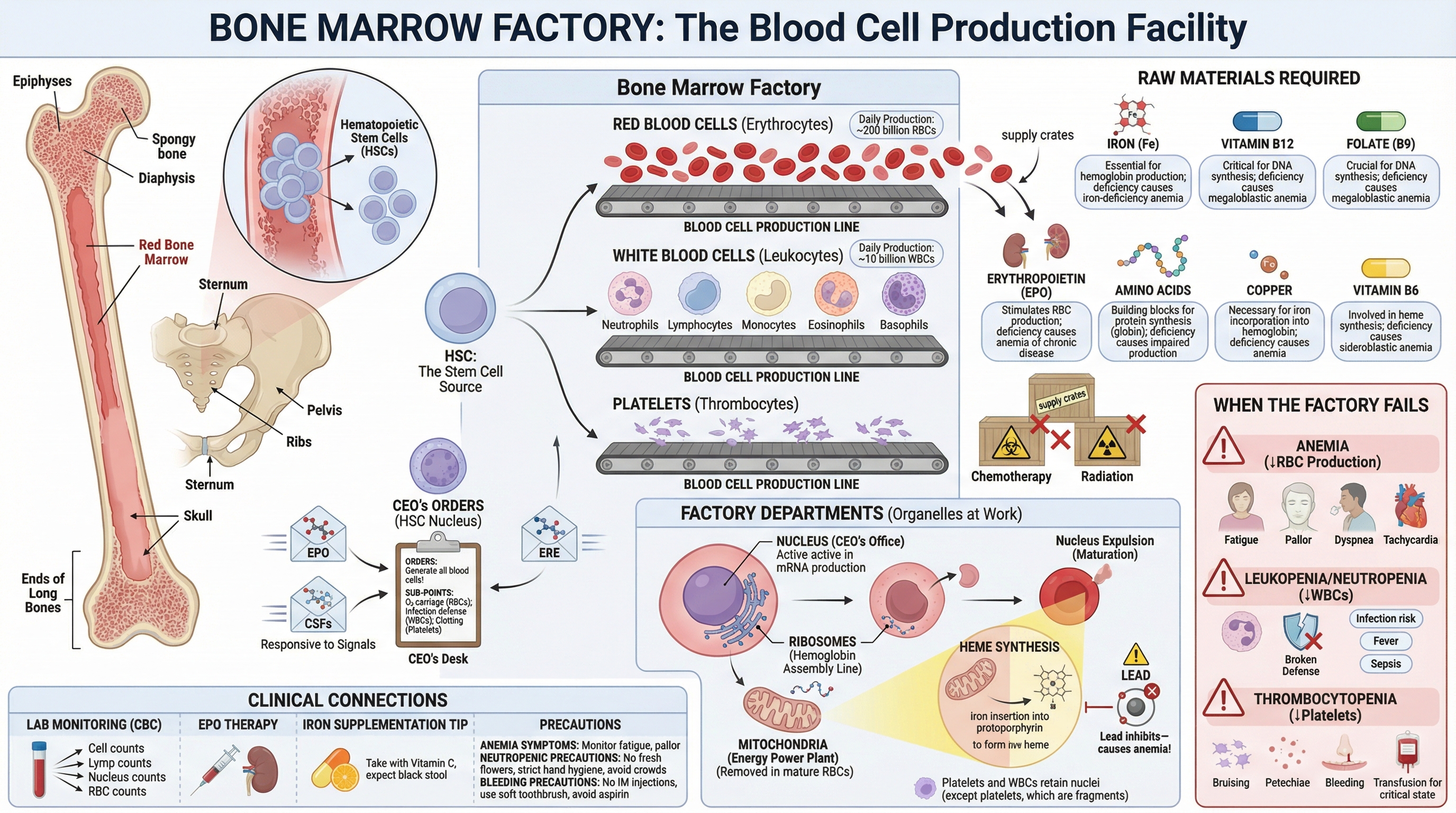
Bone marrow blood-cell production, anemia pathways, and high-yield clinical cues.
Production failures, deficiency signatures, and advanced blood-factory clinical cues.
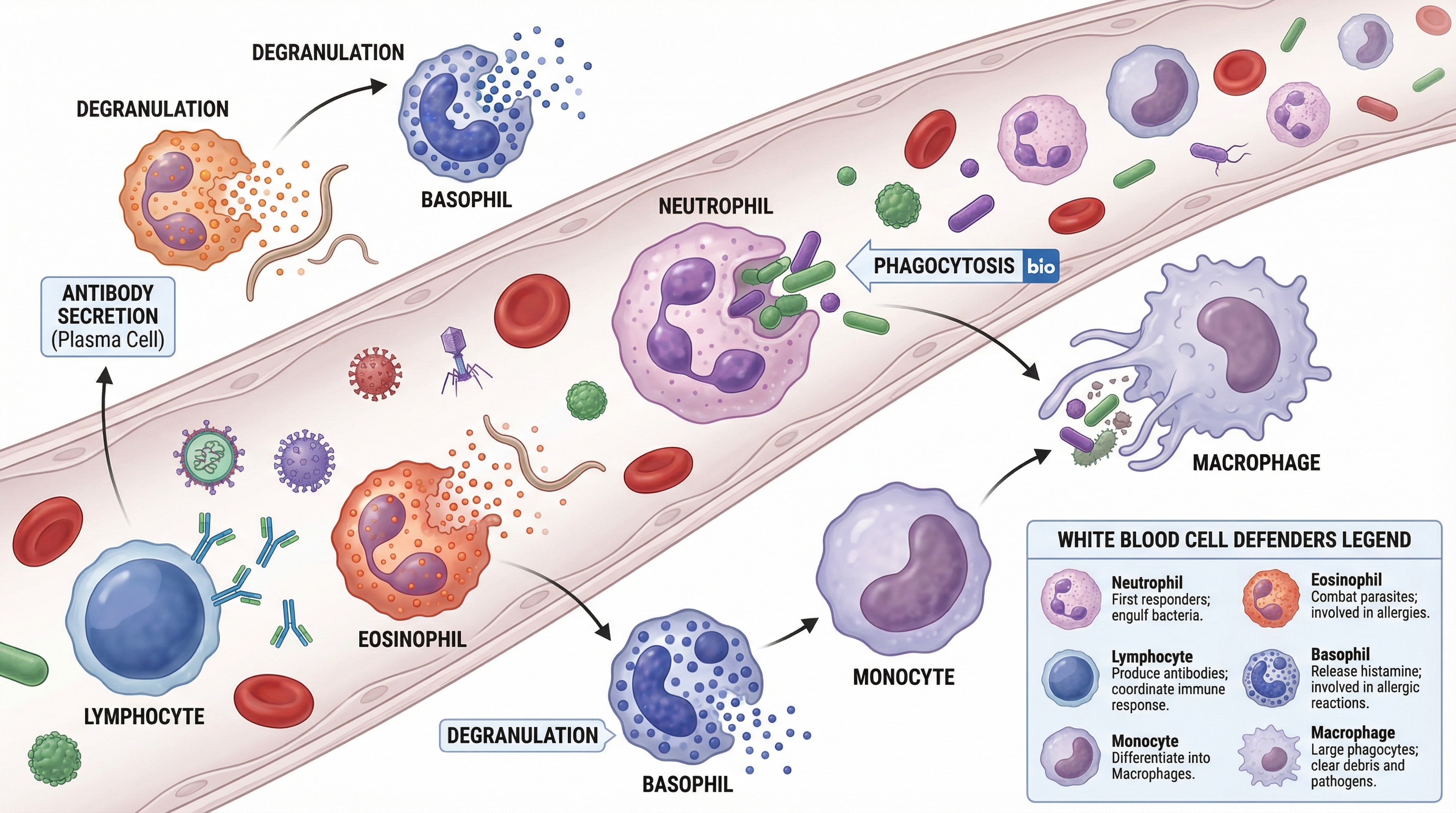
Immune defense, coagulation pathways, and high-risk bleeding or clotting cues.
Antimicrobial strategy, resistance risks, and bedside medication-safety actions.
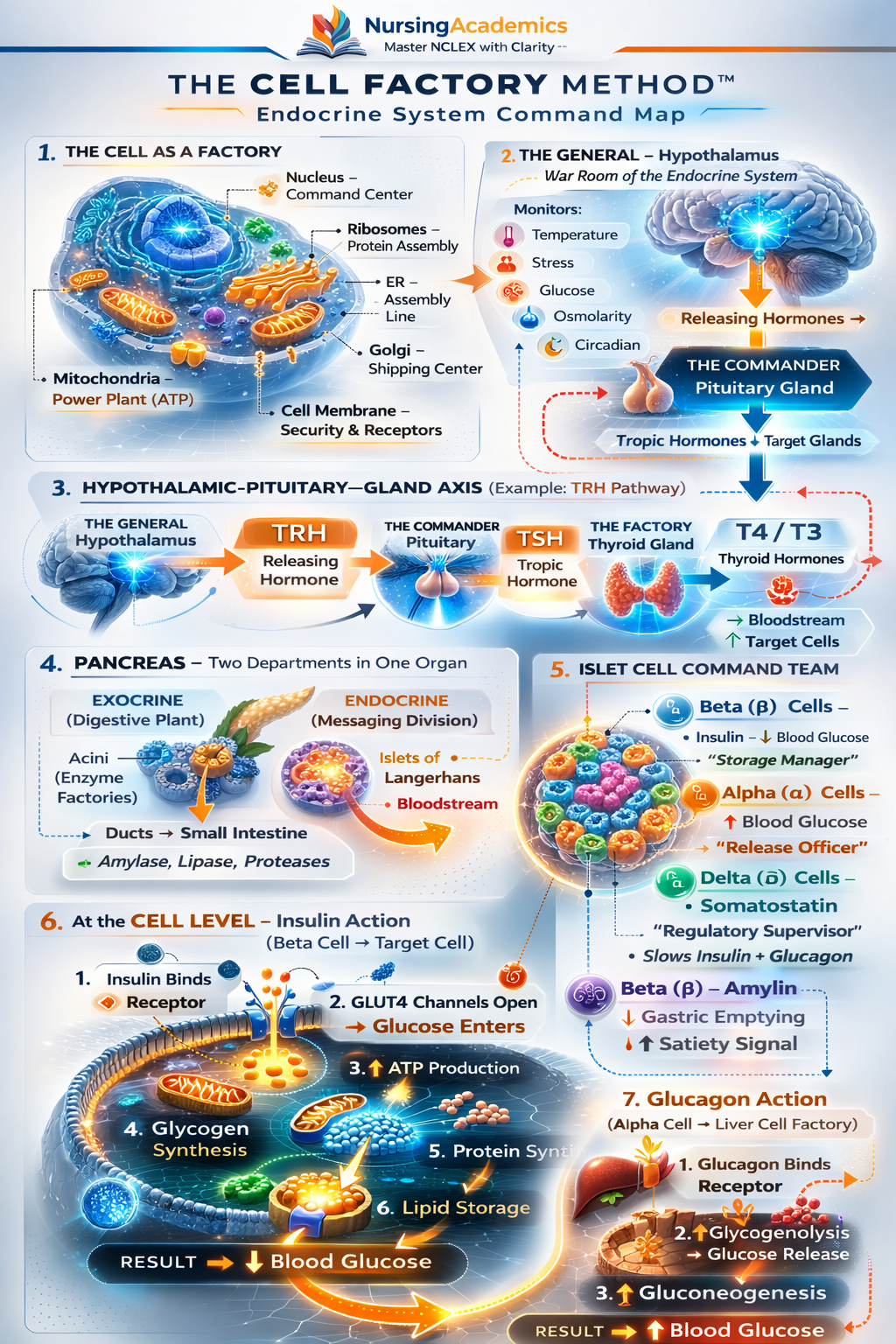
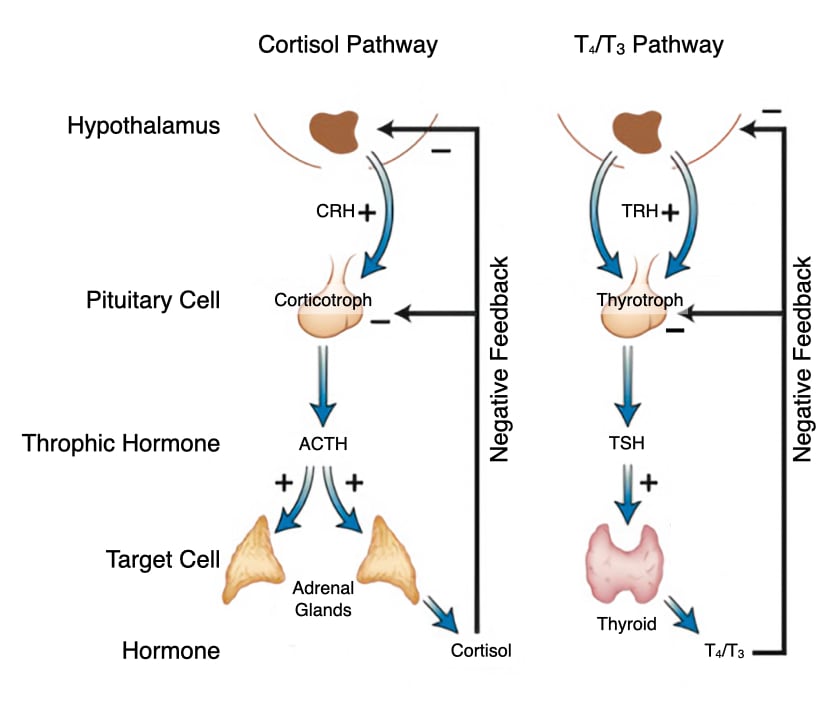
Endocrine messenger pathways, cue recognition, and medication linkage by receptor target.
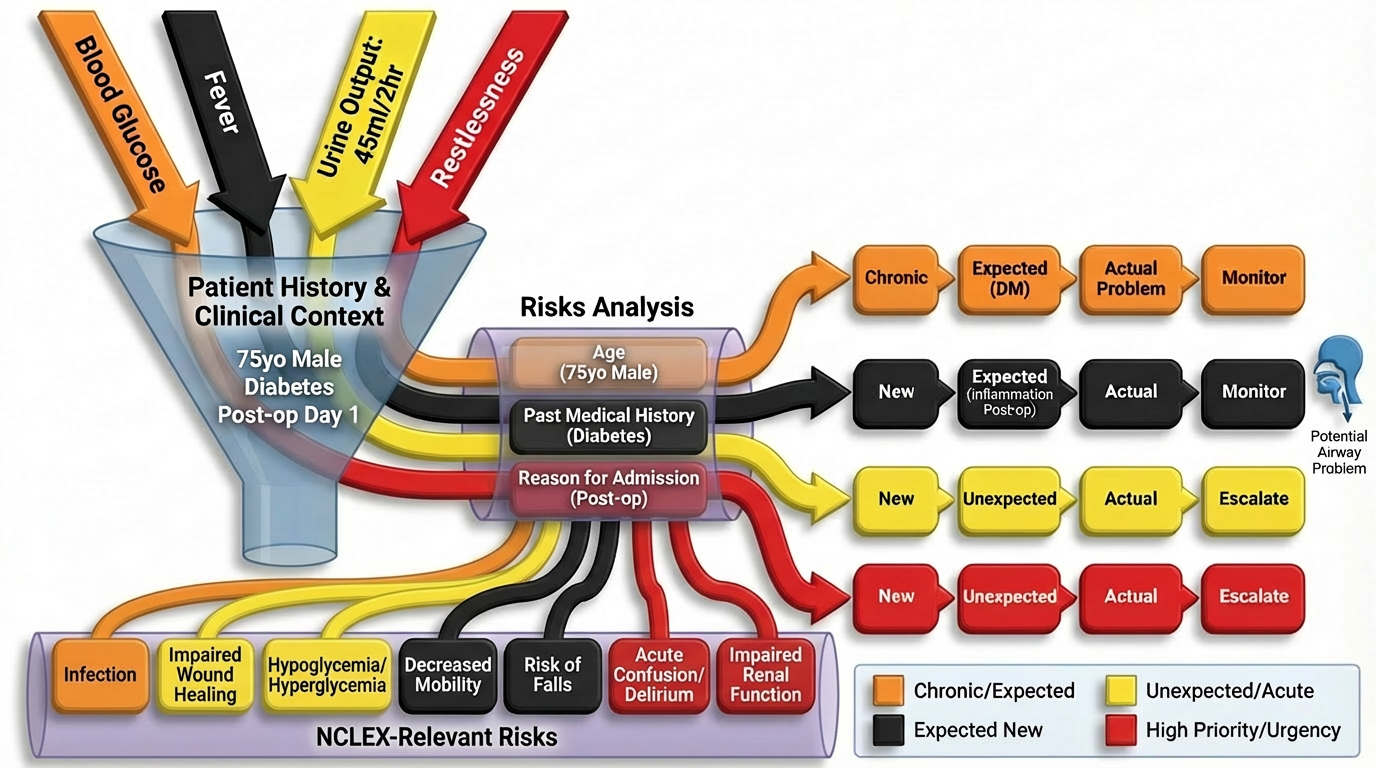
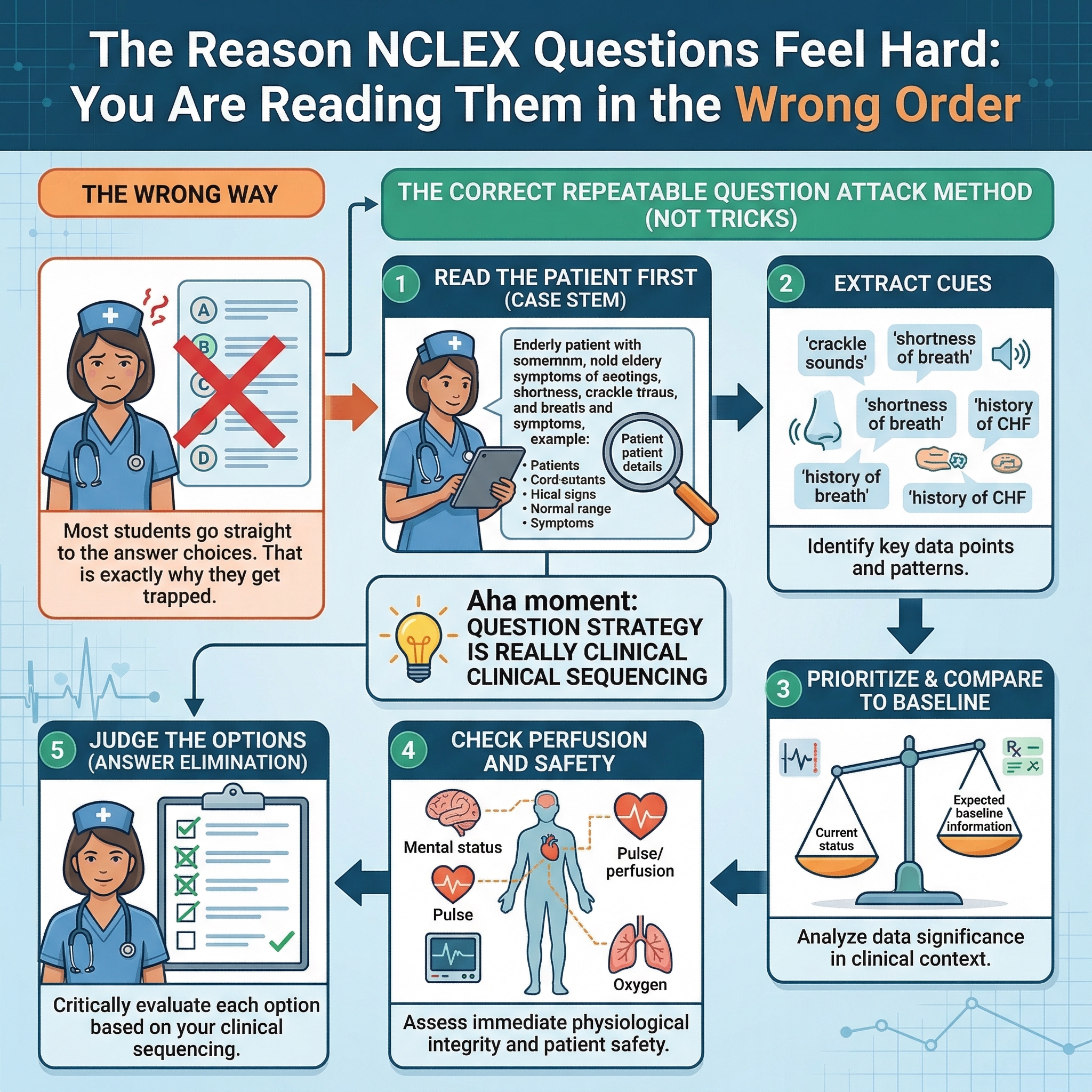
Series 1: Break down NCLEX questions and identify key clinical cues.
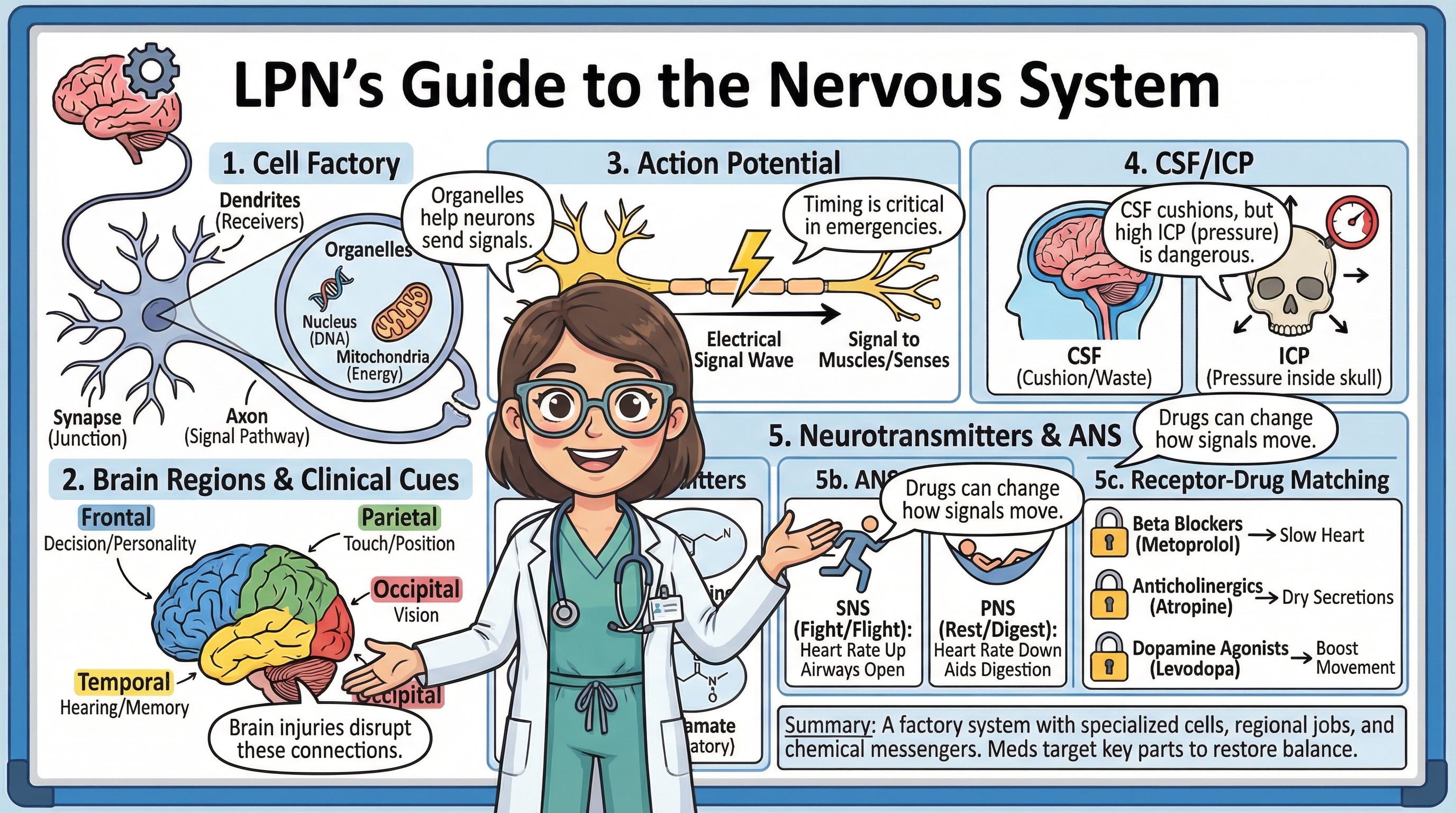
Brain alarm signaling, anxiety levels, panic cues, and nursing actions.
Medication-level anxiety care linked to receptor and signaling pathways.
Depression and bipolar pathway with lithium and suicide safety priorities.
Cluster A/B/C pattern recognition, behavior cues, and limit-setting strategy.
Thought process disruption, symptom cues, and antipsychotic safety actions.
Alcohol withdrawal, opioid overdose, naloxone rescue, and high-risk safety cues.
Serotonin-linked mood cues and therapeutic communication choices that build trust.
Use reality-based communication when thought-process cues are disrupted.
De-escalation language for anxiety, agitation, and rising safety risk.
Final integrated communication scenarios mapped to NGN clinical judgment steps.
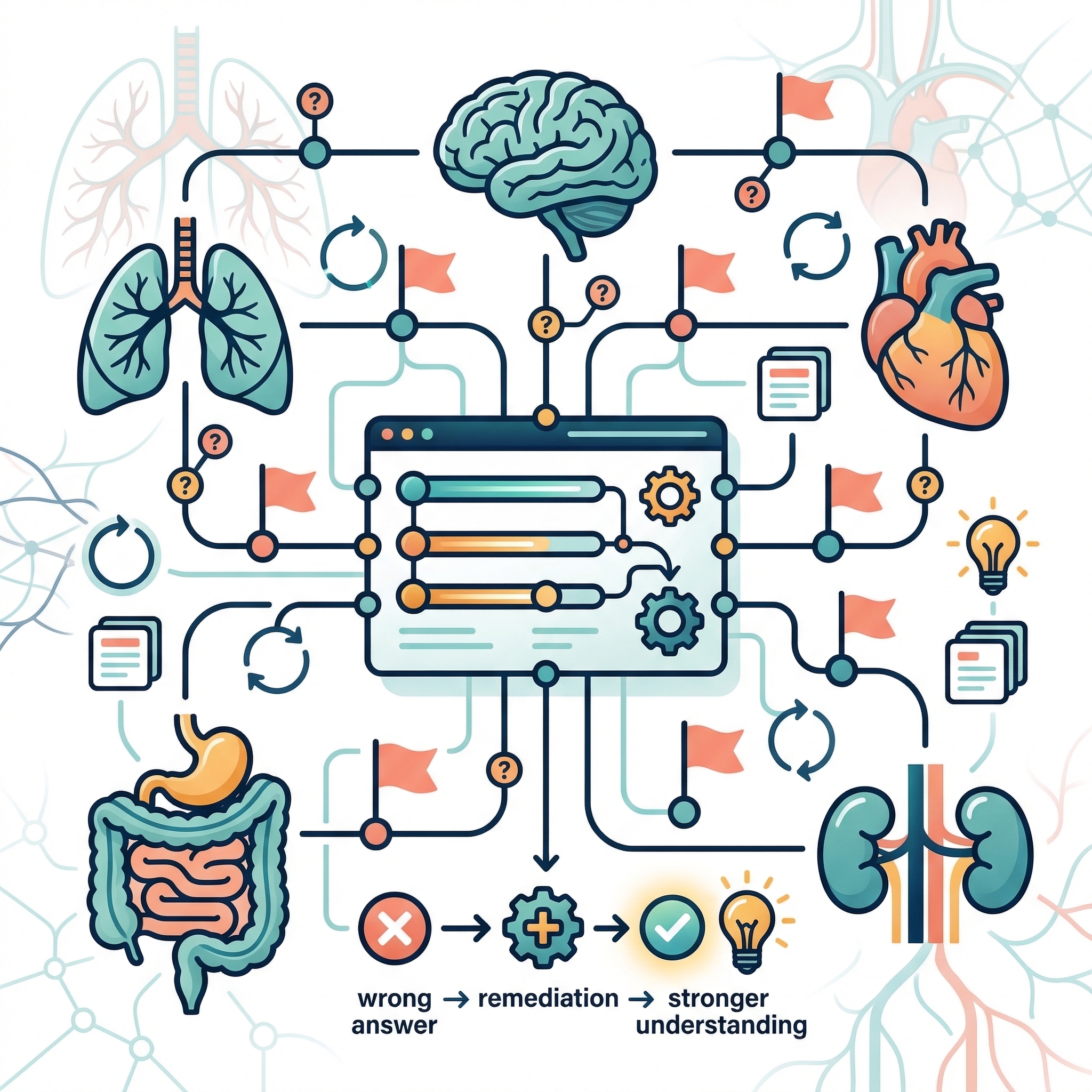
Each tutorial uses gated quizzes and immediate remediation. Work through any that match your weak areas — step-by-step, video to follow on each.
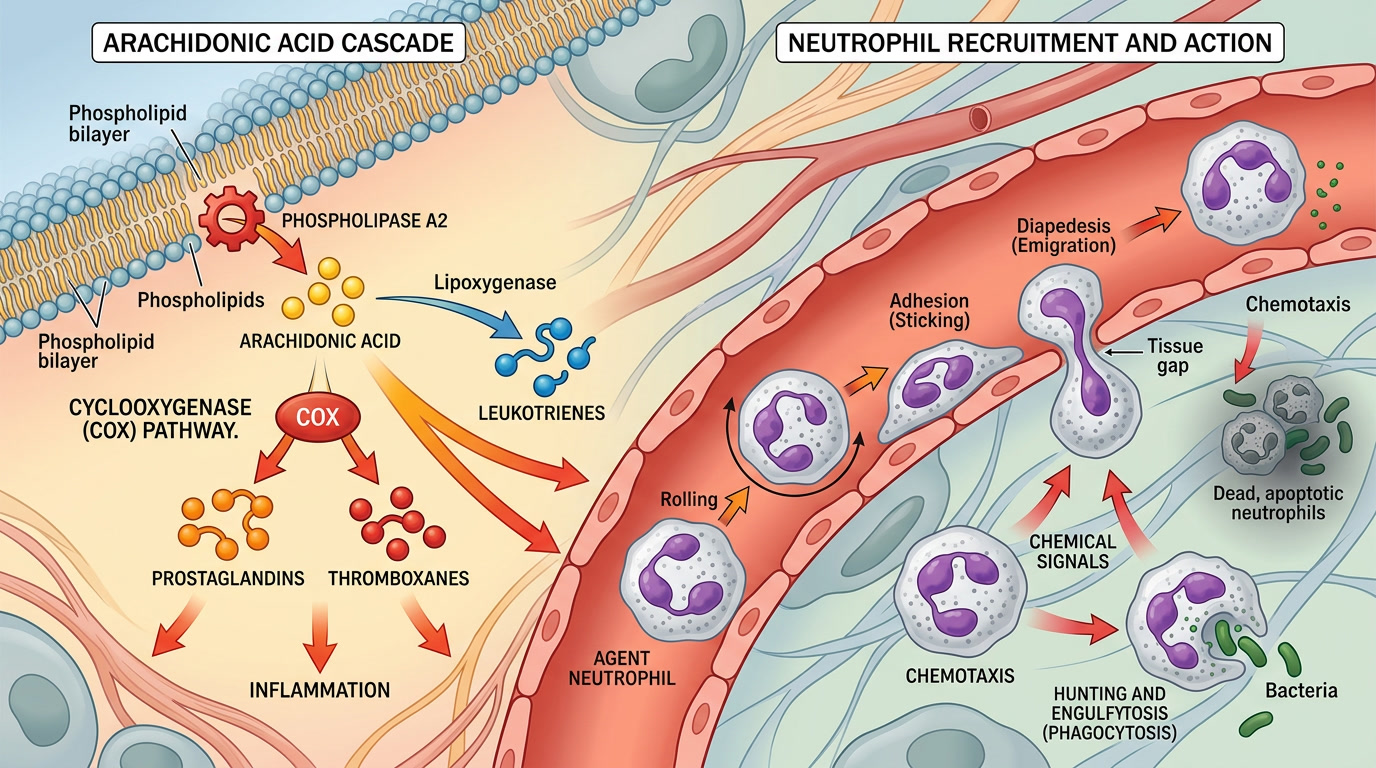
Adaptive practice with gated checks and targeted remediation.
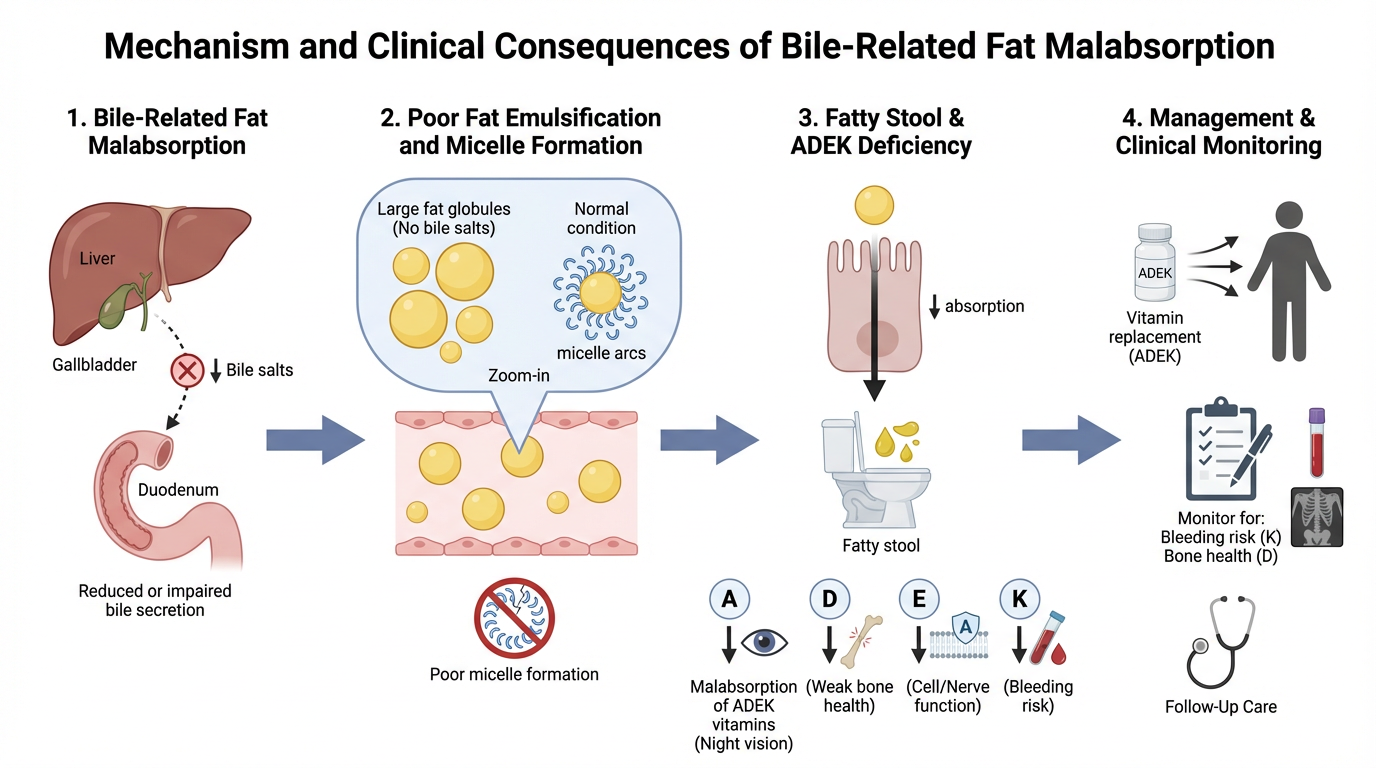
Adaptive practice with gated checks and targeted remediation.
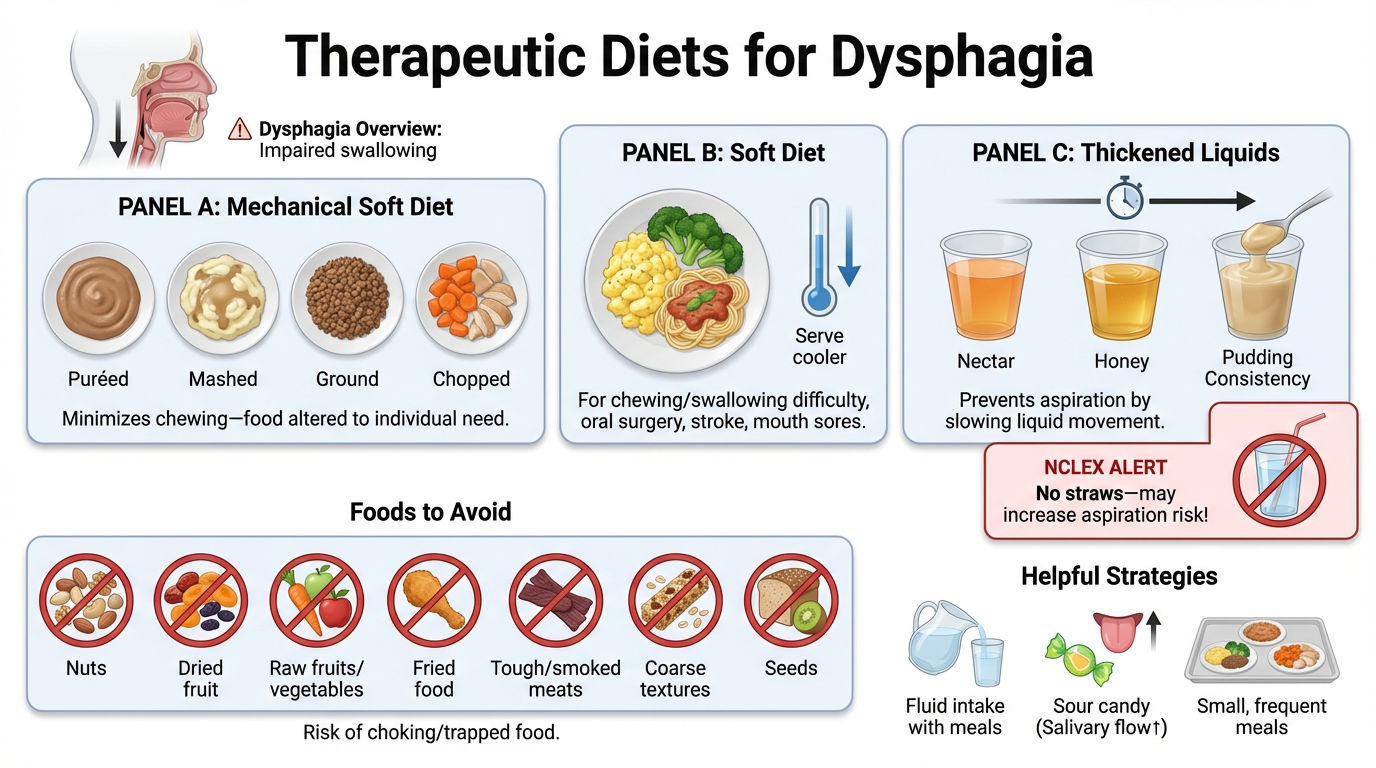
Adaptive practice with gated checks and targeted remediation.
Adaptive practice with gated checks and targeted remediation.
Adaptive practice with gated checks and targeted remediation.
Adaptive practice with gated checks and targeted remediation.

Adaptive practice with gated checks and targeted remediation.
Adaptive practice with gated checks and targeted remediation.
Adaptive practice with gated checks and targeted remediation.
Adaptive practice with gated checks and targeted remediation.
Adaptive practice with gated checks and targeted remediation.
Adaptive practice with gated checks and targeted remediation.
Adaptive practice with gated checks and targeted remediation.
Adaptive practice with gated checks and targeted remediation.
Adaptive practice with gated checks and targeted remediation.
Adaptive practice with gated checks and targeted remediation.
Adaptive practice with gated checks and targeted remediation.
Adaptive practice with gated checks and targeted remediation.
Adaptive practice with gated checks and targeted remediation.

Adaptive practice with gated checks and targeted remediation.
Adaptive practice with gated checks and targeted remediation.
Adaptive practice with gated checks and targeted remediation.
Adaptive practice with gated checks and targeted remediation.
Adaptive practice with gated checks and targeted remediation.
Adaptive practice with gated checks and targeted remediation.
Adaptive practice with gated checks and targeted remediation.
Adaptive practice with gated checks and targeted remediation.
Adaptive practice with gated checks and targeted remediation.
Adaptive practice with gated checks and targeted remediation.
Adaptive practice with gated checks and targeted remediation.
Adaptive practice with gated checks and targeted remediation.
Adaptive practice with gated checks and targeted remediation.
Adaptive practice with gated checks and targeted remediation.
Adaptive practice with gated checks and targeted remediation.
Adaptive practice with gated checks and targeted remediation.
Adaptive practice with gated checks and targeted remediation.
Adaptive practice with gated checks and targeted remediation.
Adaptive practice with gated checks and targeted remediation.
Adaptive practice with gated checks and targeted remediation.
Adaptive practice with gated checks and targeted remediation.
Adaptive practice with gated checks and targeted remediation.
Adaptive practice with gated checks and targeted remediation.
Adaptive practice with gated checks and targeted remediation.
Adaptive practice with gated checks and targeted remediation.
Adaptive practice with gated checks and targeted remediation.
Adaptive practice with gated checks and targeted remediation.
Adaptive practice with gated checks and targeted remediation.
Adaptive practice with gated checks and targeted remediation.
Adaptive practice with gated checks and targeted remediation.
Adaptive practice with gated checks and targeted remediation.
Adaptive practice with gated checks and targeted remediation.
Adaptive practice with gated checks and targeted remediation.
Adaptive practice with gated checks and targeted remediation.
Adaptive practice with gated checks and targeted remediation.
Adaptive practice with gated checks and targeted remediation.
Adaptive practice with gated checks and targeted remediation.
Adaptive practice with gated checks and targeted remediation.
Adaptive practice with gated checks and targeted remediation.
Recommended sequence for all learners: complete the Fundamentals hub, continue through Phase 1, then move to system-specific tracks.
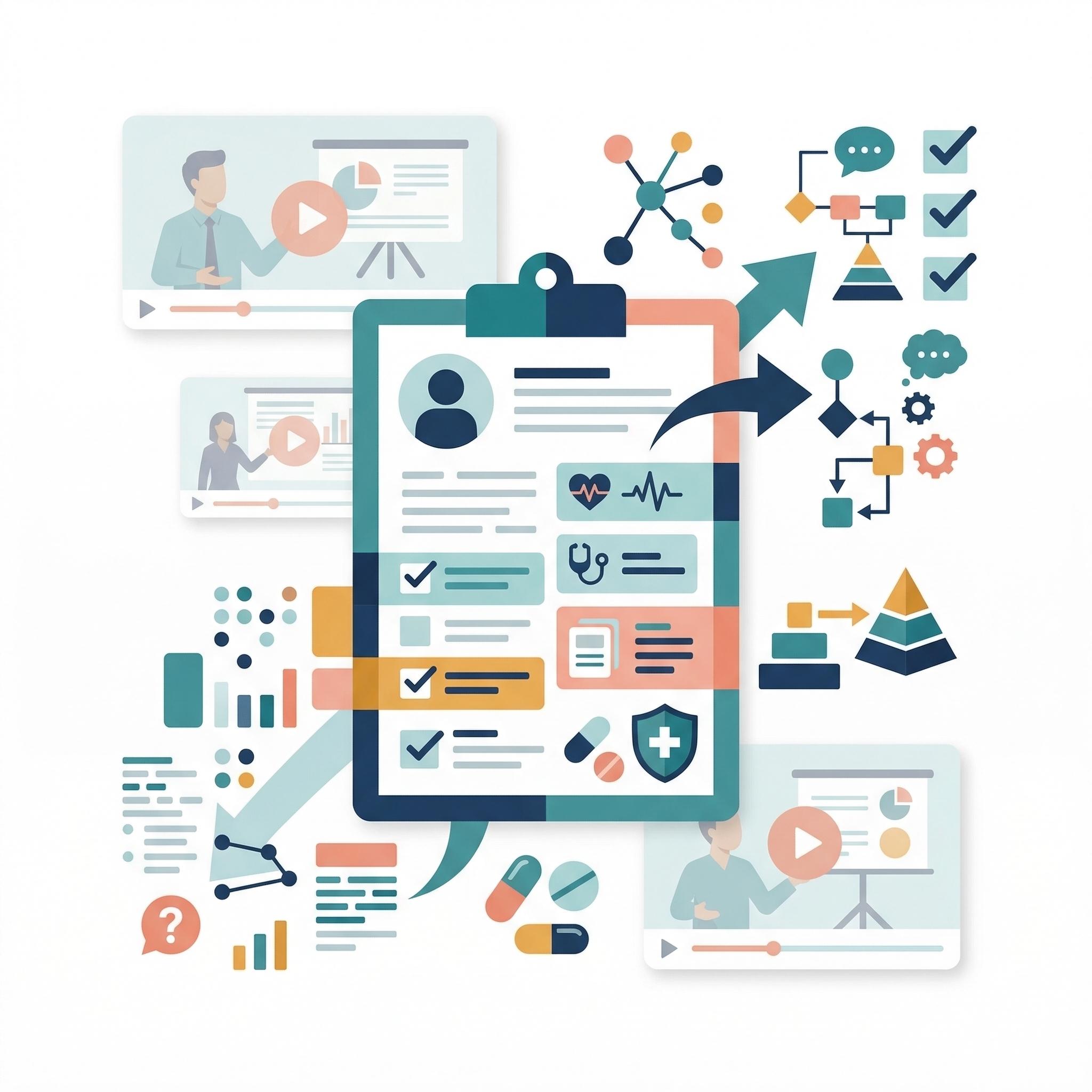
Final sharpening lane after systems work: question attack, mastery drill, immersion loops, and adaptive brush-up when a weak area appears.
Core immersion + adaptive refresh
Recommended first pathway for all learners: build perfusion-first cell-factory logic from Part 1 to Part 10.
32 tutorials
Sepsis, shock, endothelial failure, ABGs, fluids/electrolytes, ANS compensation, and homeostasis stabilization.
18 tutorials
Gas exchange, airway defense, ventilation, and respiratory emergencies.
4 tutorials
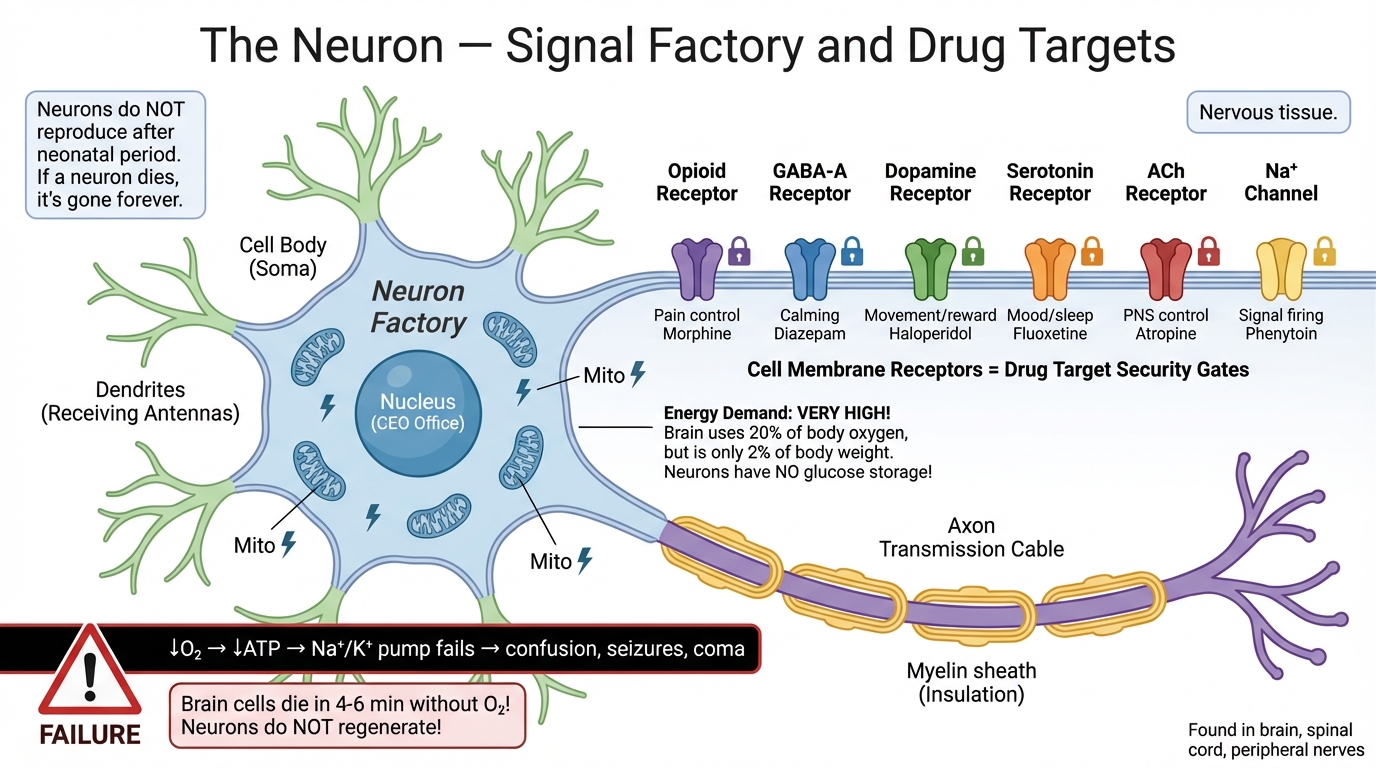
Signal integrity, brain perfusion, stroke recognition, and neuron/neurocyte/neurology mastery.
8 tutorials
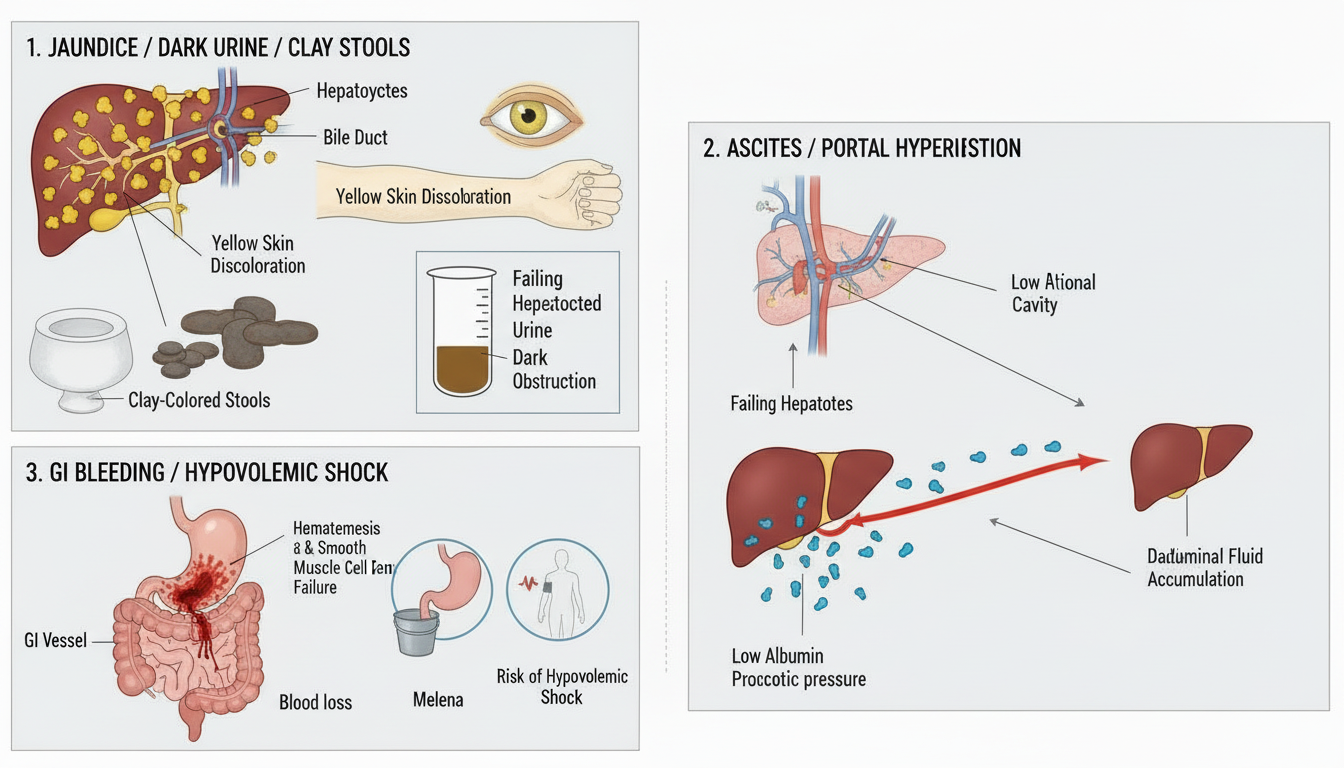
Liver processing, bile pathways, detox, and metabolic homeostasis.
1 tutorial
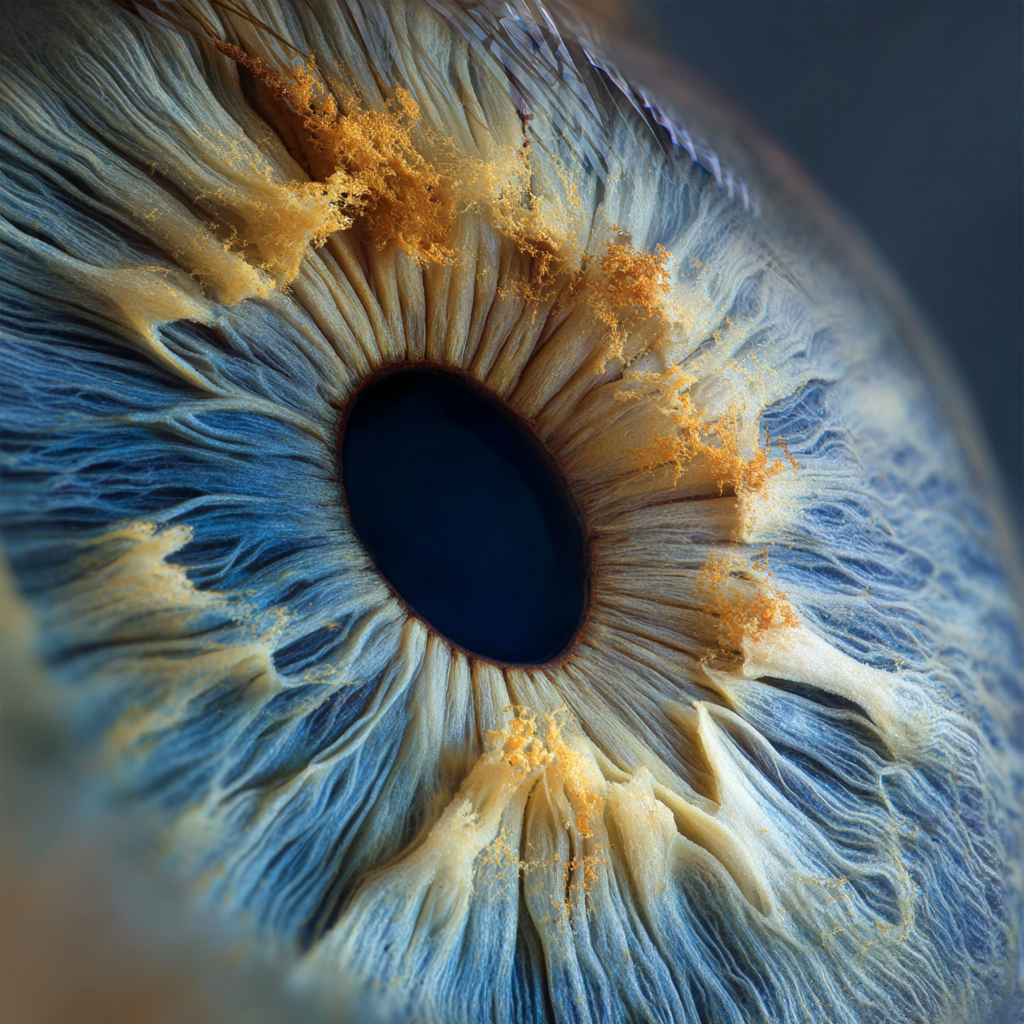
Head, eye, ear, nose, and throat cues tied to perfusion and infection.
3 tutorials
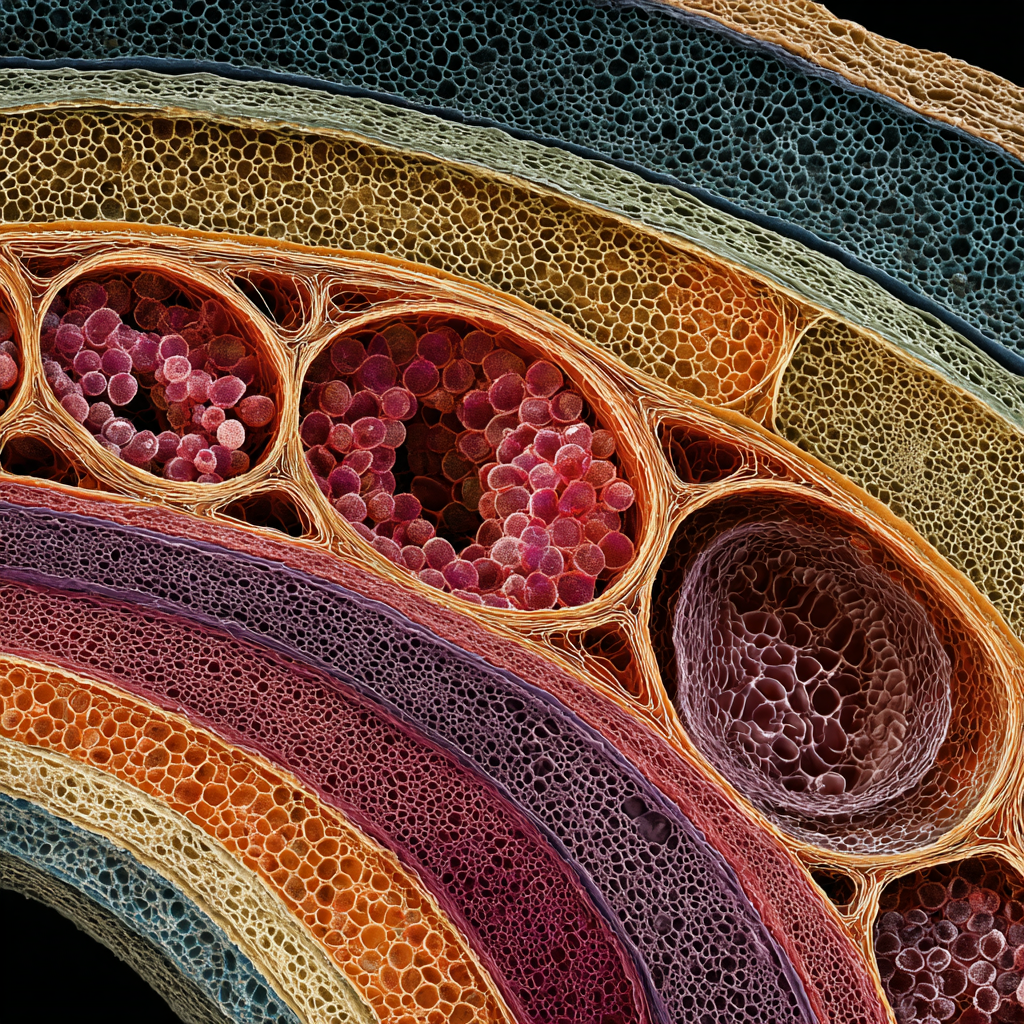
Dedicated skin pathway: barrier integrity, wound healing, burns, and infection prevention.
4 tutorials
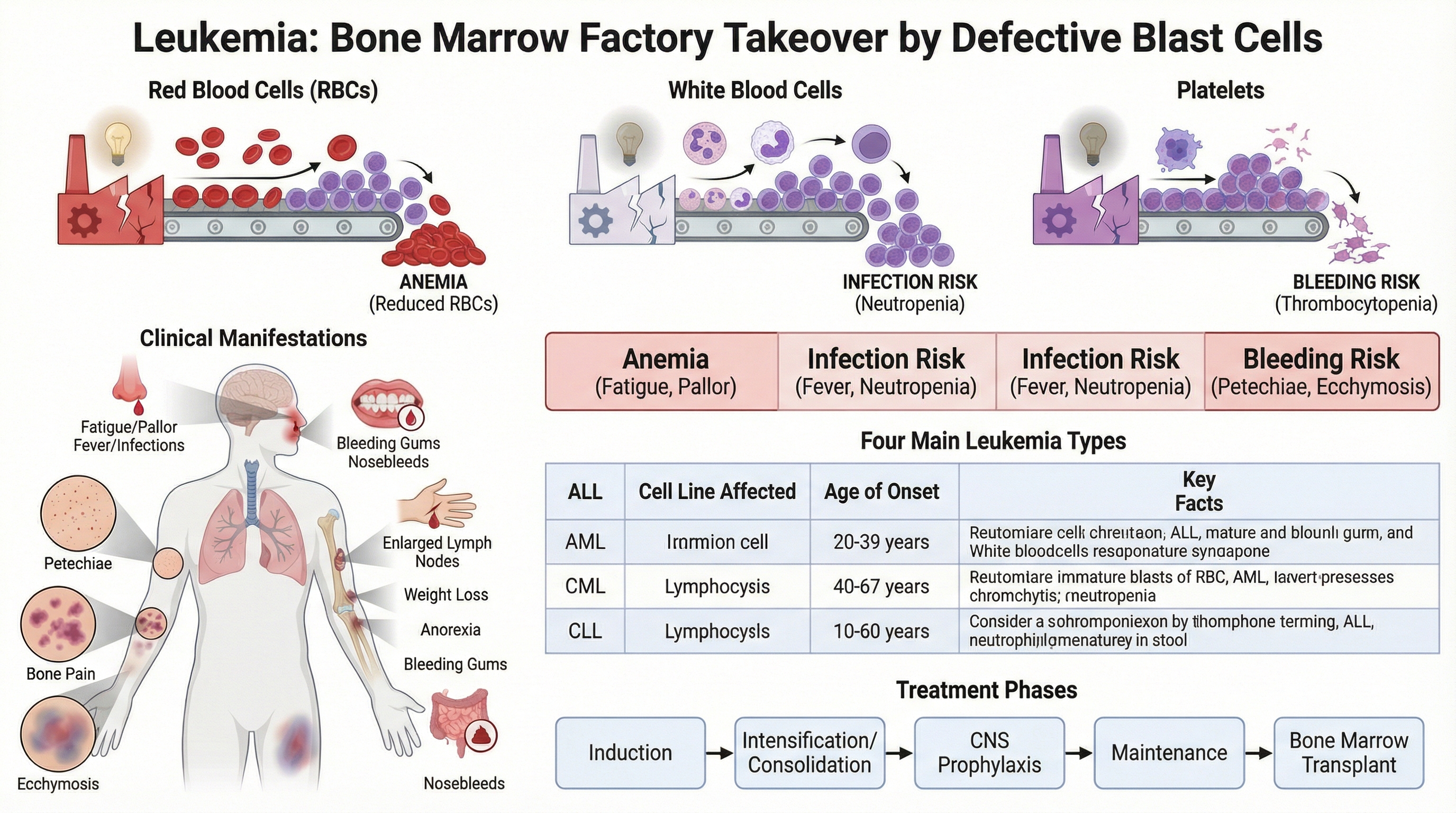
Oncology and hematology tutorials focused on blood disorders, treatment safety, and high-risk cues.
4 tutorials
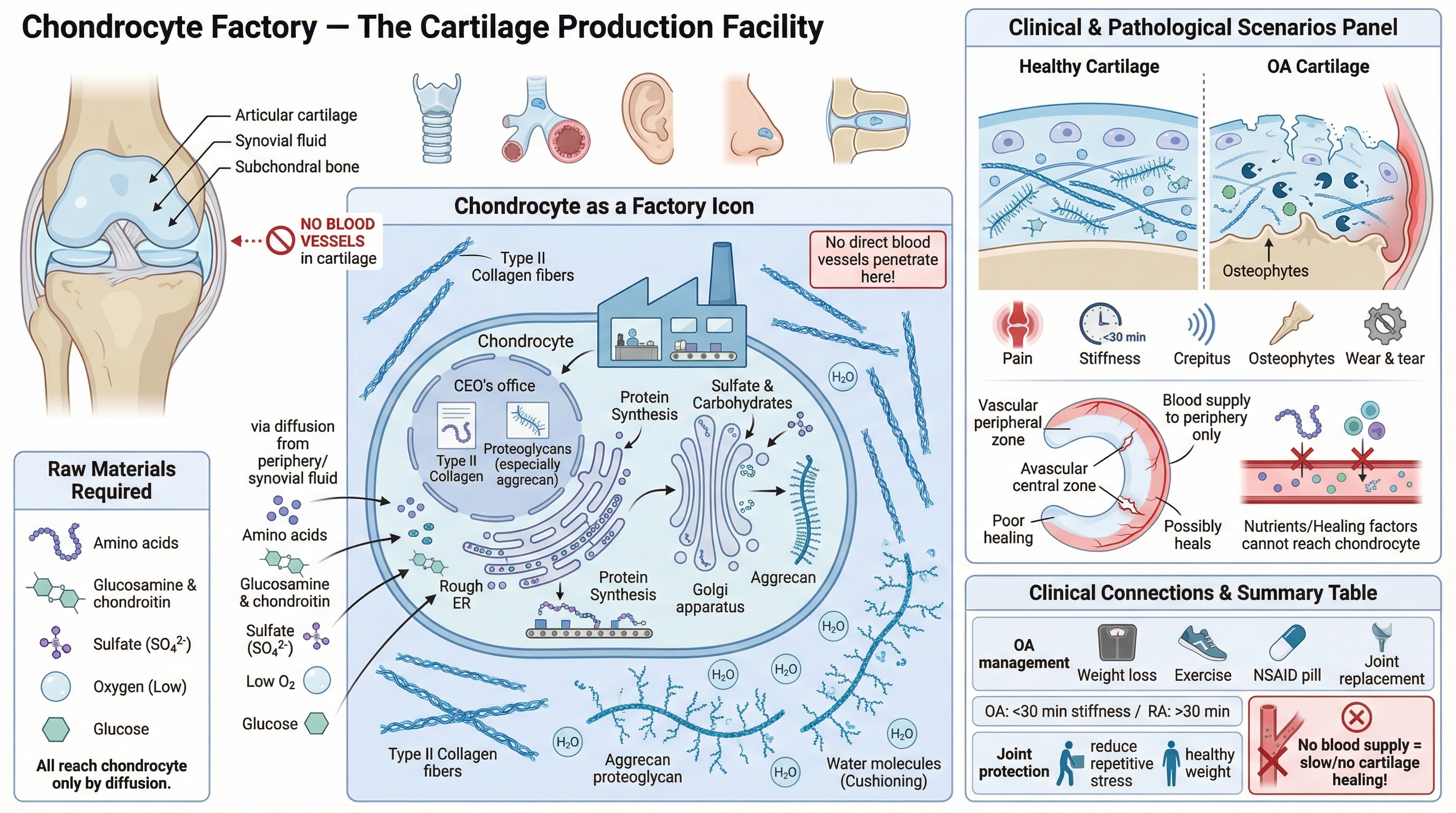
Mobility, muscle-bone coordination, and injury recovery priorities.
3 tutorials
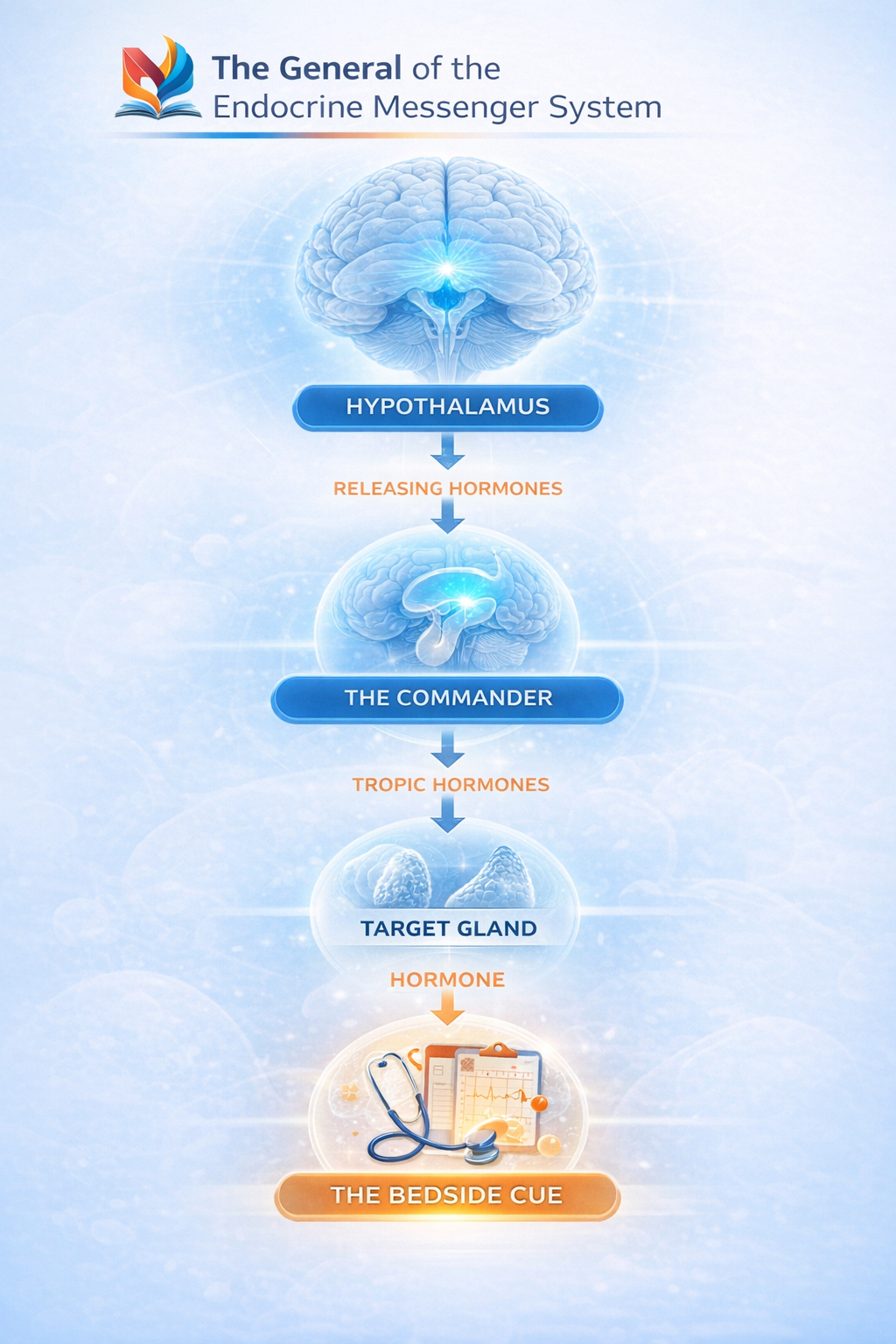
Reproductive physiology, maternal-newborn transitions, and safety priorities.
5 tutorials
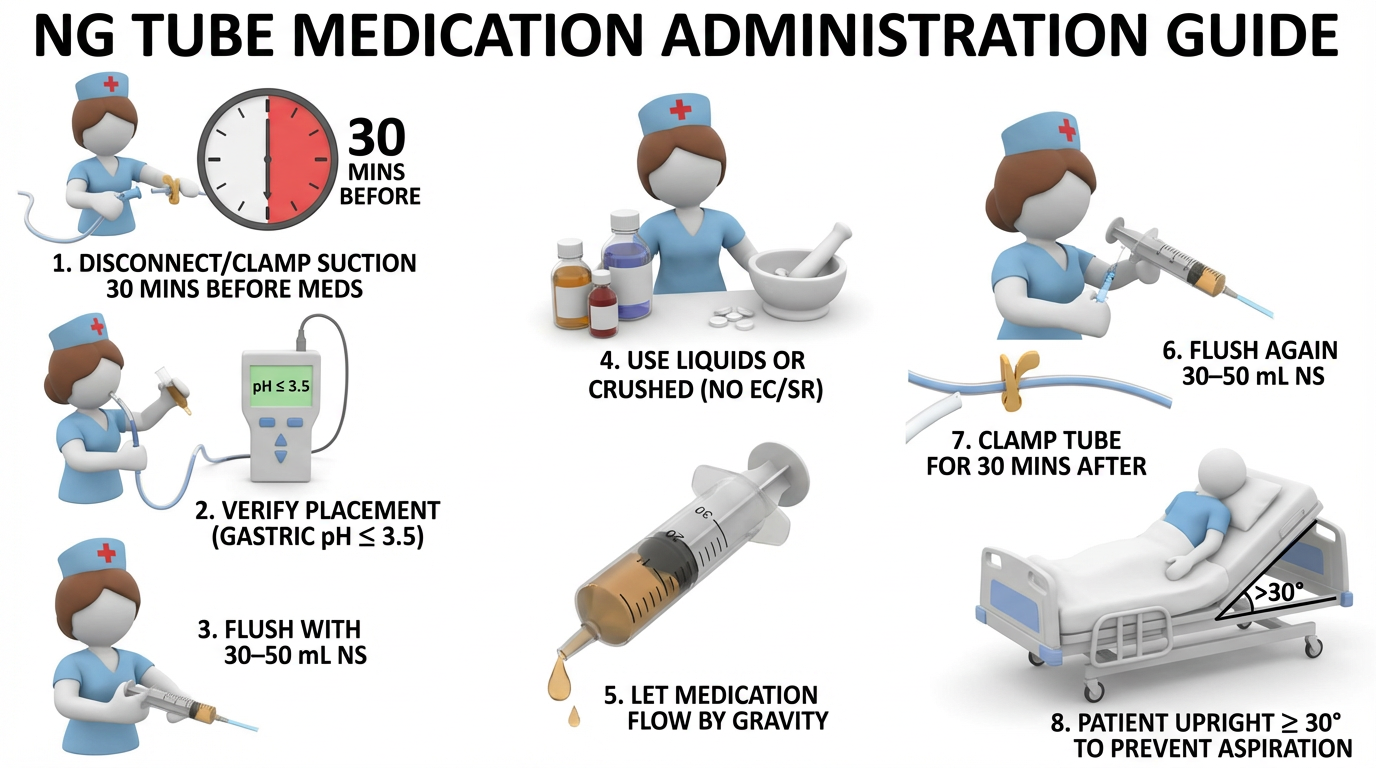
Scope, legal-ethics, coordinated care, safety, and core nursing practice.
2 tutorials
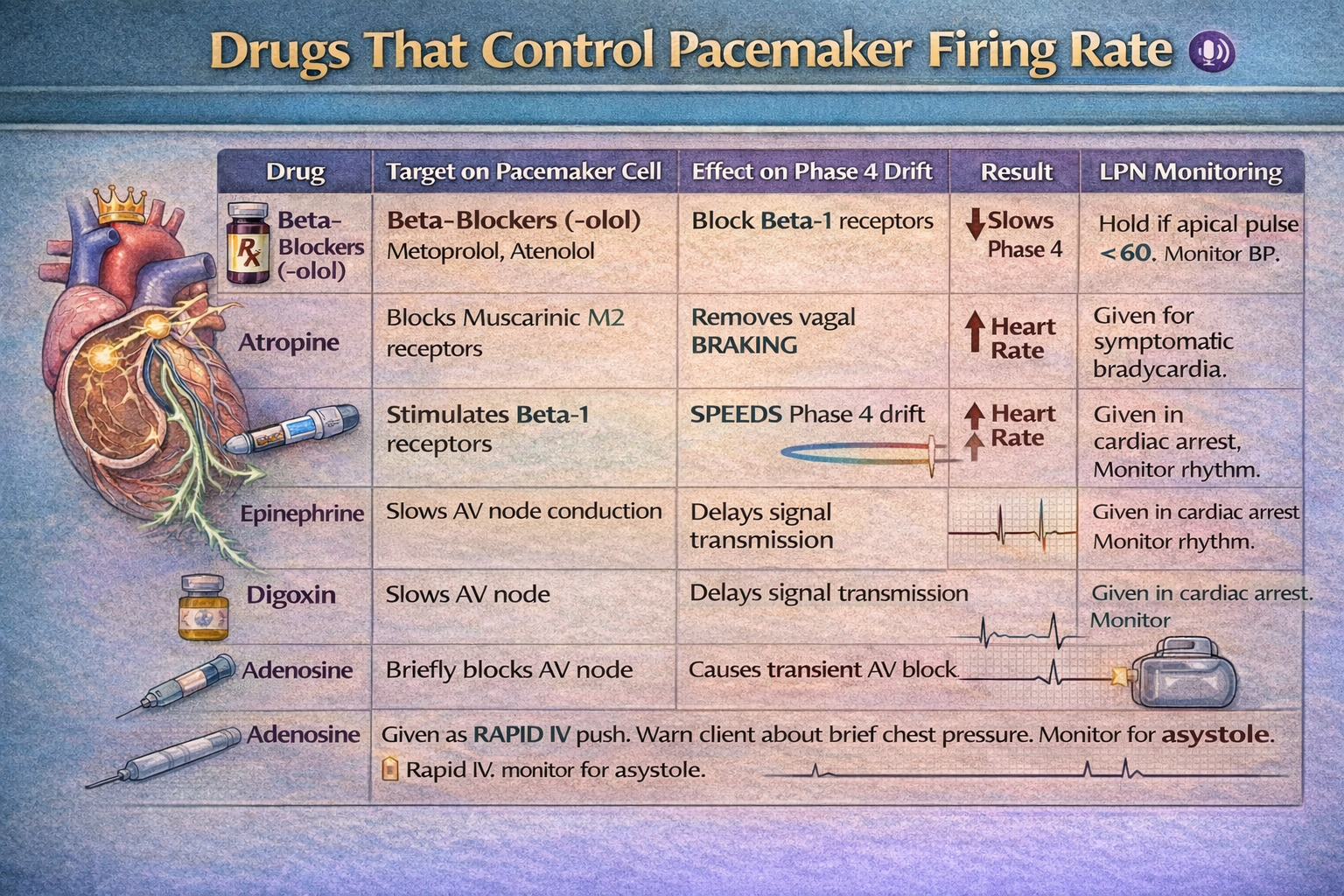
Medication math, dimensional analysis, and safe dose verification.
1 tutorial
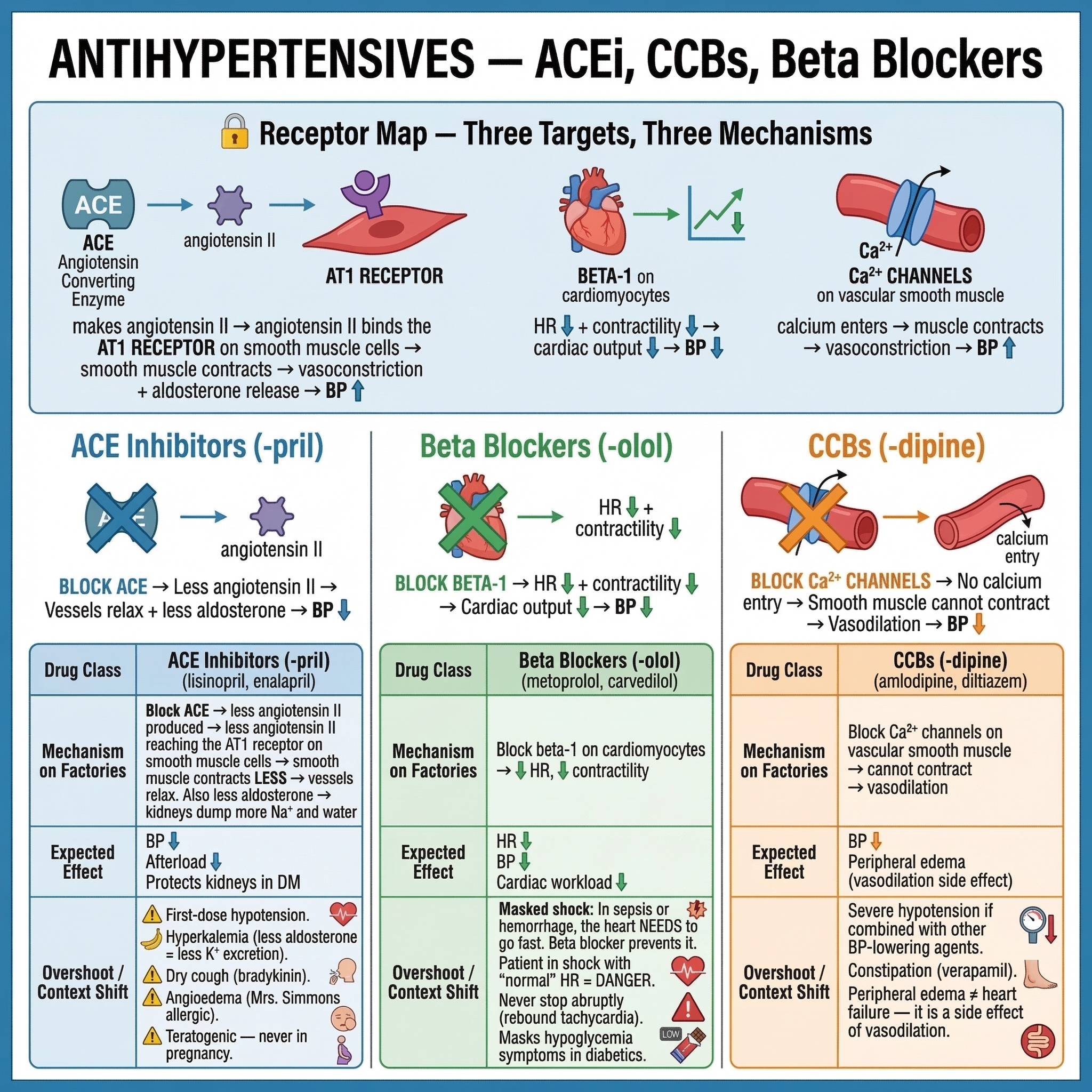
Medication mechanisms, receptor logic, dosing safety, and side-effect monitoring.
36 tutorials
Anxiety, depression, psychosis, personality, substance-use, and therapeutic communication series.
15 tutorials
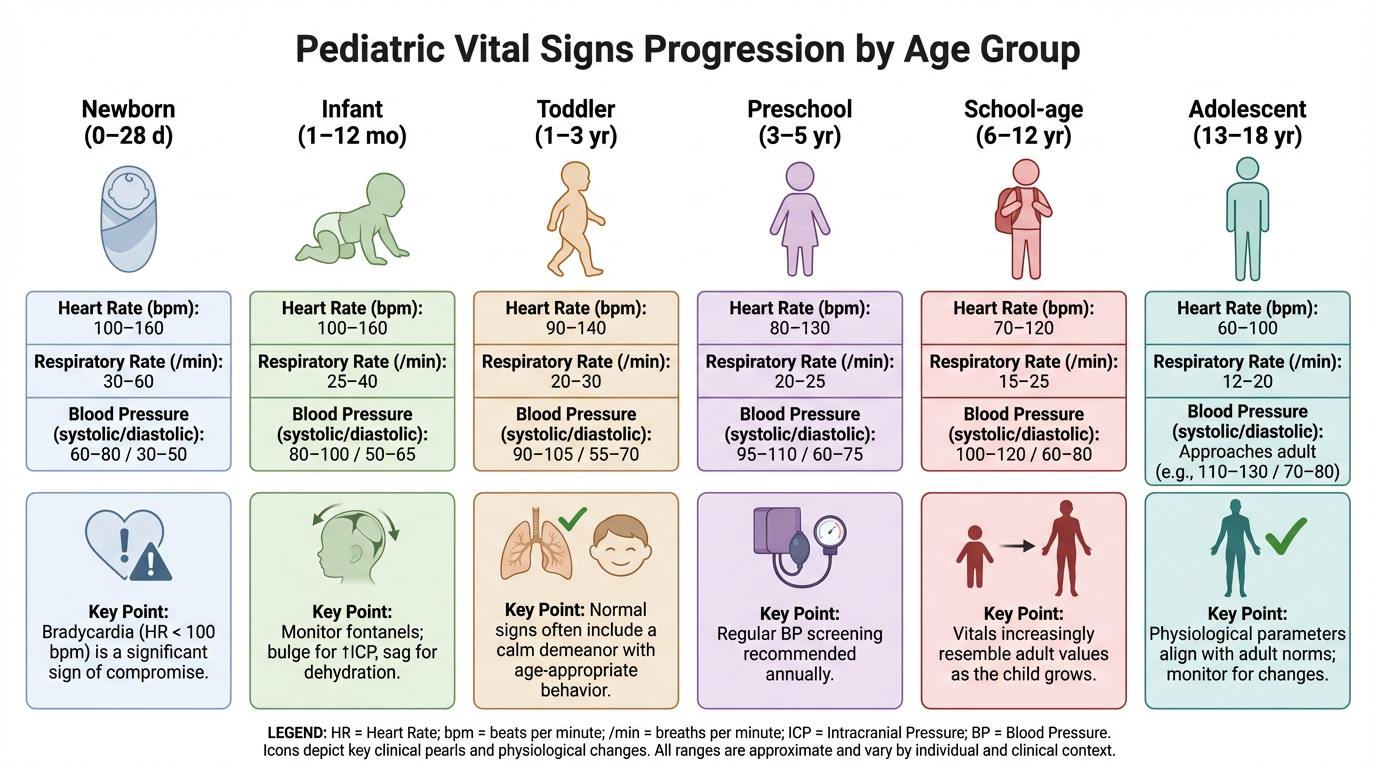
Age-specific assessment, growth/development, and pediatric safety cues.
5 tutorials
Rapid recognition, triage, stabilization, and high-risk deterioration response.
4 tutorials
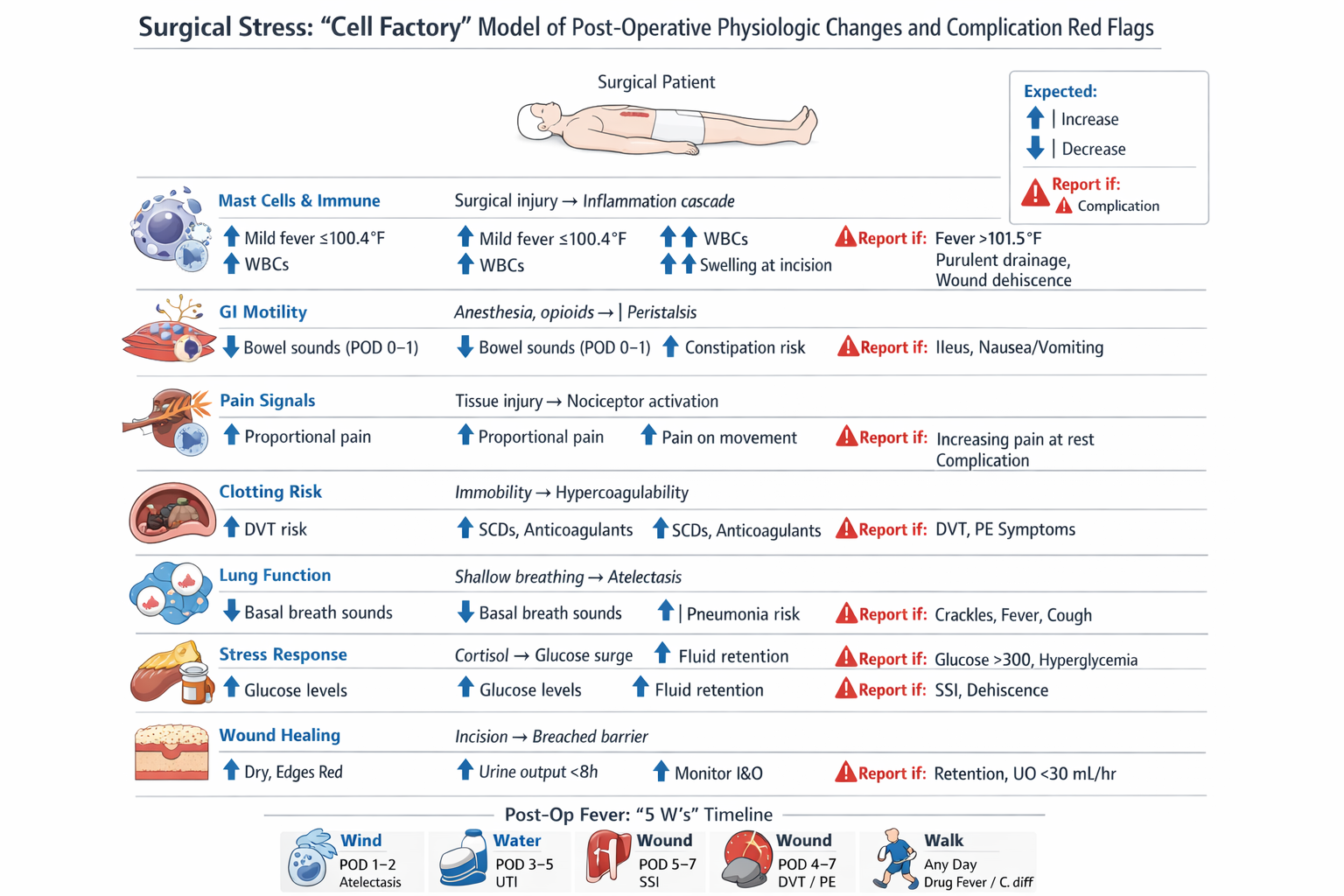
All Nurse Life simulations in one track for triage, communication, meds, escalation, and safety.
20 tutorials
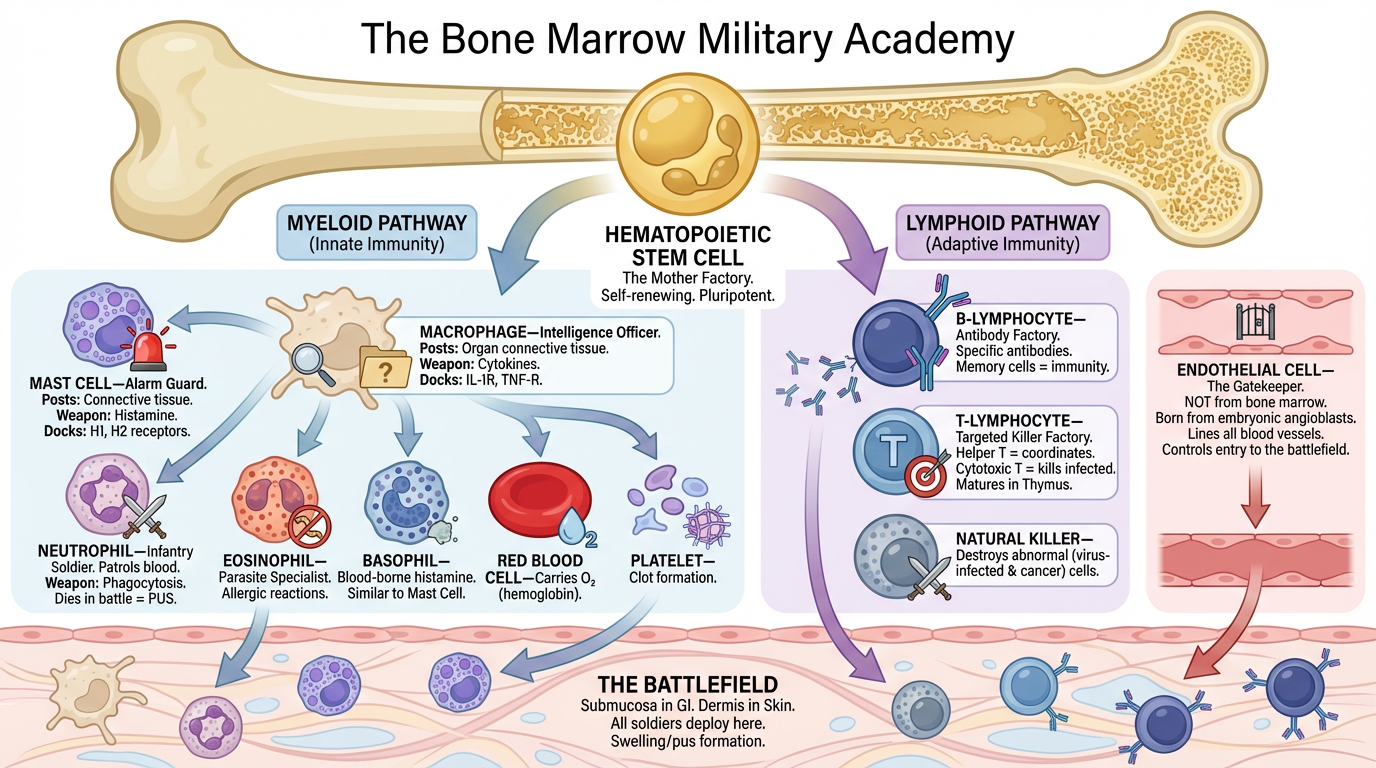
Question deconstruction, timed drills, and mastery checks for exam readiness.
85 tutorials
Cross-system tutorials and capstones connecting cell-factory logic end-to-end.
11 tutorials